



By using our website, you agree to the use of cookies as described in our Cookie Policy
Can You Stop a Foreclosure in the Bronx After Missing Payments?
Most homeowners think foreclosure is inevitable once the payments stop. It's not. The Bronx runs on judicial foreclosure, which means your lender has to drag you through court before they can take your house. That process takes time — months, sometimes years — and during that window, you've got leverage. The question isn't whether you can stop it. It's whether you'll act fast enough to use the tools you have.
Missing a mortgage payment doesn't flip a switch. It starts a clock. And if you're smart about it, you can reset that clock or buy yourself enough breathing room to get back on your feet. But only if you stop pretending the problem will solve itself. The longer you wait, the fewer options you'll have — and the harder it gets to negotiate your way out.
The Lender Wants to Avoid Court Too
Foreclosure costs money. Legal fees, court time, property maintenance, resale headaches — your lender doesn't want any of it. They'd rather work something out than spend months fighting you in front of a judge. That's why the first move is always the same: pick up the phone. Call your servicer. Explain what happened. Ask what programs they offer.
Most lenders have loss mitigation departments built for exactly this situation. They'll walk you through forbearance, repayment plans, or modifications. But they won't chase you down. You have to initiate. And the earlier you do it, the more willing they'll be to negotiate. Wait until you're six months behind and the conversation gets a lot harder.
Modification Can Rewrite the Terms
A loan modification isn't a handout. It's a restructure. Your lender agrees to change the terms of your mortgage so the payments fit your current income. That might mean stretching the loan out another decade, dropping the interest rate, or tacking missed payments onto the back end.
You'll need to prove hardship — job loss, medical bills, something real. And you'll need documentation. Pay stubs, tax returns, bank statements, hardship letters. The lender wants to see that you can handle the new payment structure. If you can, modification keeps you in the house and keeps them out of court. Win-win.
Forbearance Buys Time, Not Forgiveness
Forbearance pauses or reduces your payments temporarily. It's not forgiveness. You still owe the money. But if you're dealing with a short-term crisis — layoff, surgery, family emergency — forbearance gives you a few months to stabilize without the lender breathing down your neck.
At the end of the forbearance period, you'll need a plan to catch up. That could mean a repayment plan, a modification, or a lump sum if you've got it. Don't assume forbearance solves the problem. It just delays the reckoning. Use that time wisely.
Repayment Plans Spread the Pain
If you're only a few months behind, your lender might let you catch up by adding a chunk to your regular payment over the next six to twelve months. It's not glamorous, but it works. You stay current going forward, and you chip away at the arrears until you're back to zero.
The catch? You need steady income. If your financial situation is still shaky, a repayment plan might just set you up to fail again. Be honest with yourself about what you can afford. Overcommitting now means you're back in the same hole six months from now.
Bankruptcy Hits the Brakes Hard
Filing for bankruptcy triggers an automatic stay, which stops all collection activity — including foreclosure — dead in its tracks. Chapter 13 is the one that helps homeowners. It lets you reorganize your debts and catch up on missed mortgage payments over three to five years while keeping your house.
But bankruptcy isn't a magic wand. It wrecks your credit for years. It costs money upfront. And it only works if you can prove you've got enough income to handle the repayment plan. If you're considering it, talk to a bankruptcy attorney first. Don't file blind.
Selling Beats Foreclosure Every Time
If keeping the house isn't realistic, sell it before the foreclosure sale. You'll avoid the credit hit, and you might even walk away with some cash if there's equity. If you're underwater, ask your lender about a short sale. They agree to accept less than what you owe, and you get out clean.
Short sales take time and paperwork, but they're better than a foreclosure on your record. And in a hot market, you might be surprised what your place is worth. Get a real estate agent involved early. Don't wait until the auction date is set.
New York Gives You a Head Start
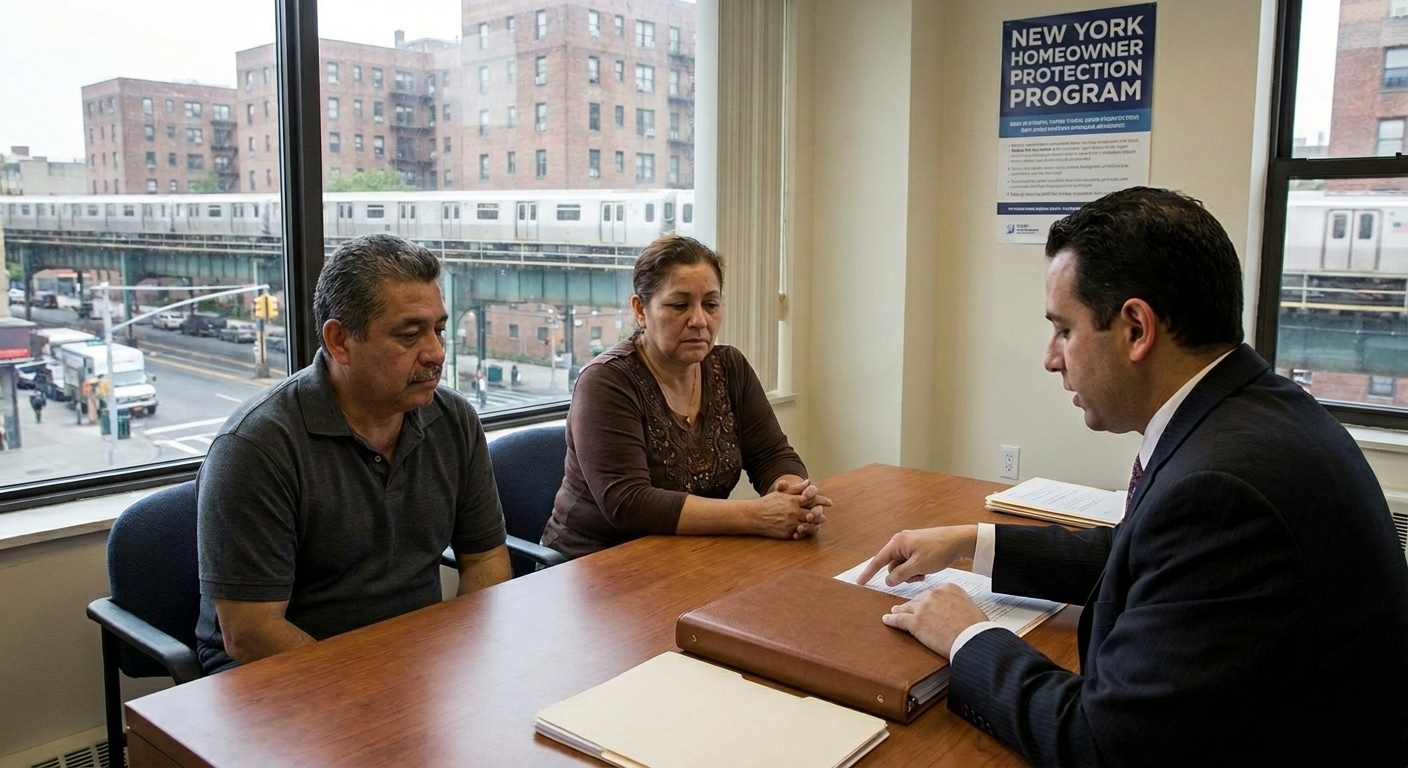
The state requires lenders to send a 90-day pre-foreclosure notice before they can file. That's your warning shot. Use it. During that window, you can apply for assistance, negotiate with your lender, or line up legal help. Once the lawsuit is filed, you're entitled to a settlement conference — a court-supervised meeting where you and the lender try to work something out.
These conferences are mandatory, and they're your chance to negotiate with a mediator present. Bring your documents. Bring your hardship story. And bring a lawyer if you can. The Bronx has nonprofit legal aid groups that offer free foreclosure defense. Use them.
What You Need to Prove Your Case
Whether you're negotiating a modification, filing for bankruptcy, or showing up to a settlement conference, you'll need documentation. The lender won't take your word for it. They want proof.
- Recent pay stubs or proof of income
- Tax returns from the last two years
- Bank statements showing your financial situation
- A hardship letter explaining what happened
- Any correspondence from your lender
Missing paperwork kills deals. Get organized early. If you don't have something, get it. If you can't get it, explain why in writing. But don't show up empty-handed.
Where Homeowners Lose Ground
Ignoring the Notices
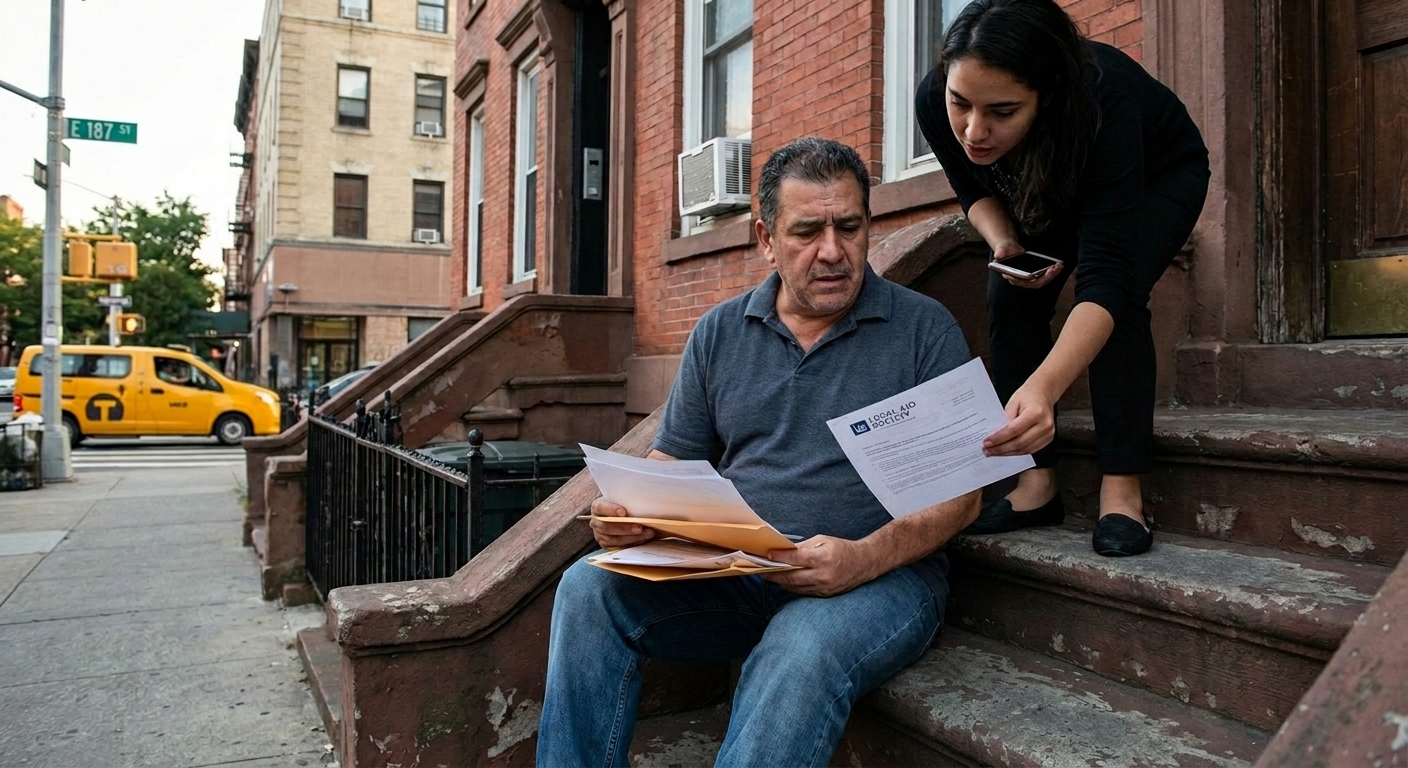
Every letter from your lender matters. Every court date matters. Ignoring them doesn't make them go away. It just makes your position weaker. Open the mail. Read it. Respond. Even if the news is bad, knowing where you stand is better than guessing.
Waiting Too Long to Ask for Help
The earlier you reach out, the more options you have. Wait until you're months behind and the lender's already filed, and your negotiating power shrinks. Don't let pride or fear keep you from picking up the phone. The lender would rather work with you than foreclose. But only if you give them the chance.
Assuming Bankruptcy Solves Everything
Bankruptcy stops foreclosure, but it doesn't erase your mortgage. You still have to pay it. And if you can't afford the Chapter 13 repayment plan, the stay gets lifted and foreclosure resumes. Bankruptcy is a tool, not a cure. Use it strategically, not desperately.
Free Help Is Out There
You don't have to fight this alone. The Bronx has legal aid organizations, housing counselors, and nonprofit groups that specialize in foreclosure defense. They'll help you understand your rights, fill out paperwork, and represent you in court if needed. Most of these services are free or low-cost.
- Legal Services NYC
- South Bronx Legal Services
- Neighborhood Housing Services of New York City
- New York State Homeowner Protection Program
Don't wait until the day before your court date to find a lawyer. Reach out as soon as you get that first notice. The sooner you get help, the better your chances.
Speed Matters More Than Perfection
You don't need a perfect plan. You need a plan, period. And you need to move on it now. Every day you wait is a day closer to a foreclosure judgment. Every missed call from your lender is a lost opportunity to negotiate.
Foreclosure isn't automatic, but it's relentless. The system moves whether you're ready or not. The homeowners who save their houses are the ones who act early, document everything, and refuse to let embarrassment or fear keep them from asking for help. The Bronx courts see this every day. The lenders see it every day. And the ones who come out ahead are the ones who show up, speak up, and fight back before it's too late. If you need experienced legal guidance to protect your home, contact our team at Adon Law for a consultation about your foreclosure defense options.
Let’s Take Action Together
We know how overwhelming foreclosure can feel, but you don’t have to face it alone. Let’s work together to protect your home and your future—reach out to us today at 718-819-1728 or schedule a free consultation so we can start building your defense before time runs out.
‹ Back
Recent Posts
-
Sponsoring a Family Member for Immigration from the Bronx
September 10, 2026
-
Do You Need a Lawyer to File a Will in the Bronx?
August 20, 2026
-
Getting Divorced in the Bronx While Living Together
August 13, 2026
-
-