



By using our website, you agree to the use of cookies as described in our Cookie Policy
How Restraining Orders Work in Bronx Family Court
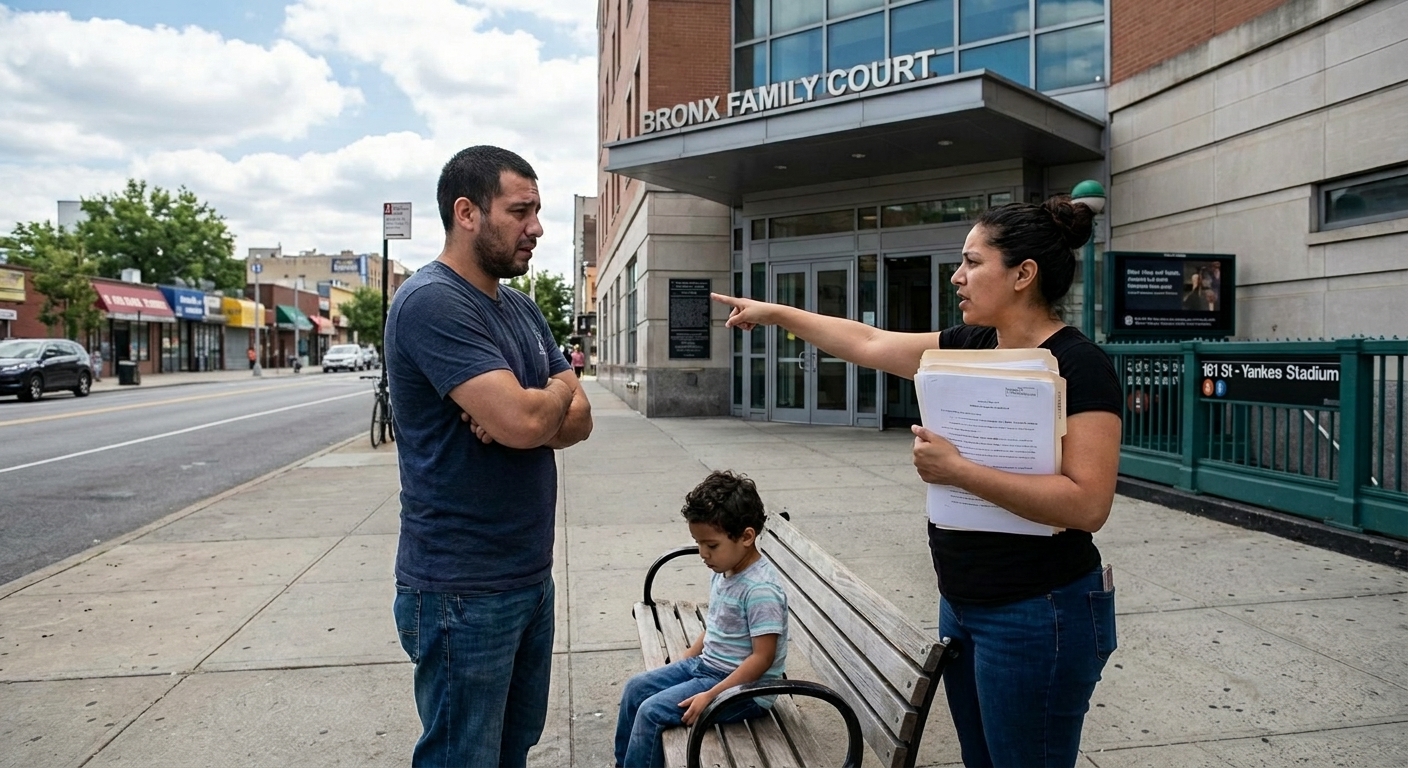
Restraining orders in Bronx Family Court mean business. They set clear limits. No calls, no visits, no contact. When someone crosses the line with threats or harassment, this order steps in and draws a line they can’t ignore. It’s about giving you the power to decide who gets access to your life and when. The court backs you up, and the rules are enforced.
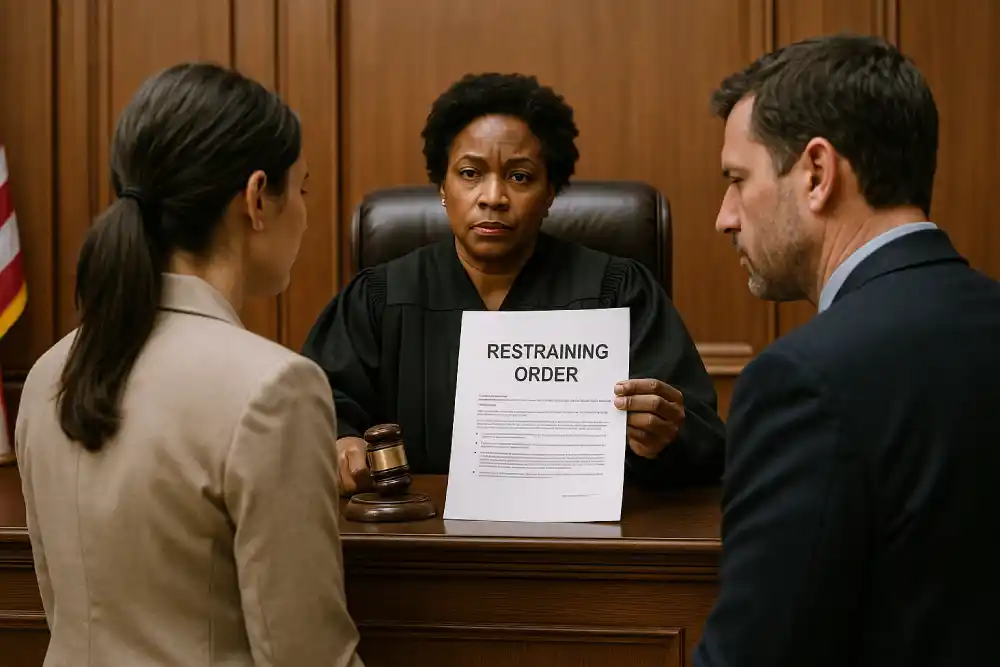
- Anyone facing harm or threats from a family member, partner, or co-parent can ask for protection.
- Bronx Family Court handles these cases. Criminal court steps in if there are criminal charges tied to the situation.
- Orders come in two main forms: temporary and final. Each has its own rules and timeline.
- Orders can block someone from your home, job, or your child’s school. They can even protect pets.
- Breaking the order isn’t a slap on the wrist. Police get involved. Arrests happen. The court doesn’t look the other way.
Protection orders work because they’re enforceable. The court’s authority stands behind every rule. When you need a clear line drawn, this is the tool that does it.
Getting the Process Started
Walking into Bronx Family Court can feel like stepping into a maze. The process isn’t complicated, but it demands attention to detail. Here’s what you need to know:
- Start by collecting proof. Screenshots, messages, photos, or names of people who saw what happened.
- Head to the courthouse and fill out a petition. This is your story, in your words. Be direct. Be specific.
- A judge reviews your petition. If the risk is urgent, you can walk out with a temporary order the same day.
- The respondent, the person you need protection from, gets served. They see the order and the court date.
- Both sides get a chance to speak at a hearing. The judge listens, weighs the facts, and decides on a final order.
Every case has its own twists. Some move fast. Others take time. The goal never changes: keep you safe and make sure your side is heard. If the paperwork feels overwhelming or you want someone in your corner, our Bronx legal team steps in. We handle the details, so you don’t have to second-guess a thing. Need help with child custody or visitation at the same time? We cover those too.
Temporary and Final Orders: What Sets Them Apart
Protection orders aren’t all the same. Temporary orders act fast. You file, the judge reviews, and you can walk out with protection that day. These orders last until your hearing. They’re a shield, quick, but not permanent.
Final orders come after the hearing. Both sides speak. The judge reviews the evidence. If the facts back you up, the final order can last months or even years. The rules can be strict. No calls, no visits, no contact at all. Sometimes, the order forces someone to move out. When domestic violence is in play, these orders give you the breathing room you need to rebuild.
What Counts as Evidence
Family court judges don’t guess. They look for proof. The more you bring, the stronger your case. Here’s what makes a difference:
- Text messages, emails, or voicemails that show threats or harassment
- Photos of injuries or damage
- Police reports or medical records
- Witness statements, people who saw or heard what happened
- Any past court orders or a history of violence
Details matter. Vague stories don’t hold up. Bring what you have. If you’re not sure what counts, our domestic violence team helps you sort through the details. We make sure nothing gets missed. If your case involves child support or paternity, we handle those issues too. You get a full understanding, not just a piece of the puzzle.
What Happens When Someone Breaks the Order
Protection orders have teeth. When someone ignores the rules, calls, shows up, sends messages, the court acts. Police get involved. Arrests happen. Even a single call can trigger new charges or jail time. The court doesn’t wait for things to get worse.
If you think the order’s been broken, report it. Keep records. Screenshots, voicemails, anything that shows contact. The more you document, the faster the court can respond. Our team helps you understand your rights and what to do next. If you need to update your order or add new restrictions, we handle the paperwork and the court process.
Inside the Courtroom
Family court hearings aren’t about drama. They’re about facts. You show up. The other side shows up. The judge listens to both. Evidence gets reviewed. The judge decides if a final order is needed and what the rules will be.
You don’t have to stand alone. Having our legal team by your side changes the game. We answer your questions, explain what’s coming, and make sure your voice is clear. If you’re also dealing with divorce or adoptions, we guide you through those steps too. You get support for every part of your case, not just the order of protection.
Speak with Our Team About Restraining Orders in the Bronx
Ready to take the next step or need answers about protection orders in Bronx Family Court? Call Adon & Associates at 718-819-1728 or contact us for fast, friendly help. We’re here to make sure you get the support you need, from filing your order to standing up for your rights in court.
‹ Back
Recent Posts
-
Sponsoring a Family Member for Immigration from the Bronx
September 10, 2026
-
Do You Need a Lawyer to File a Will in the Bronx?
August 20, 2026
-
Getting Divorced in the Bronx While Living Together
August 13, 2026
-
-