




By using our website, you agree to the use of cookies as described in our Cookie Policy
Can You Sponsor a Family Member for a Green Card While Living in the Bronx?
Most people think sponsoring a relative for a green card is just about filling out forms. But USCIS sees more than that — and if you don't, you're setting yourself up for delays or denials. Your location doesn't matter. Your status does. And so does how you prove the relationship, meet the income threshold, and follow through on every piece of documentation they ask for.
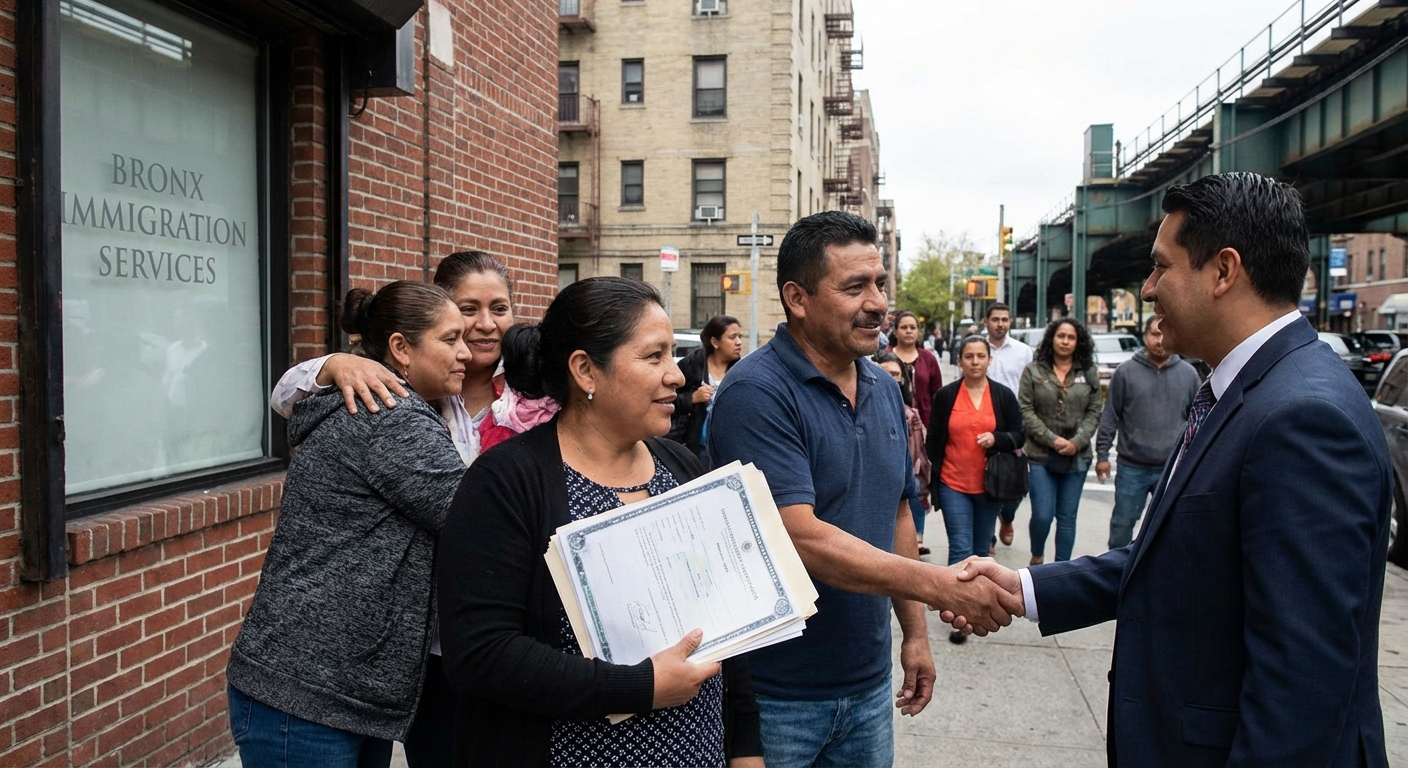
Here's what matters. If you're a citizen or green card holder in the Bronx, you can absolutely sponsor family. Just don't assume it's automatic. Every petition needs backup. Every affidavit needs numbers. And every immigration decision should be grounded in what USCIS requires — not what you think sounds reasonable.
Your Status Determines Who You Can Bring
Citizens get more options. You can petition for your spouse, kids of any age or marital status, parents if you're over twenty-one, and siblings. Green card holders? You're limited to spouses and unmarried children. That's it. No parents. No siblings. No extended family.
Living in the Bronx doesn't change the rules. The process runs the same whether you're in New York or Nebraska. What shifts the timeline is your relationship category and whether a visa number is available. Some categories move fast. Others sit in backlogs for years.
Proving the Relationship Isn't Optional
USCIS won't take your word for it. You'll need to file Form I-130 and attach proof — marriage certificates, birth certificates, adoption papers, whatever establishes the legal tie. If the documents are in another language, you'll need certified translations. If names don't match across records, you'll need explanations.
Sloppy documentation is one of the fastest ways to get an RFE — Request for Evidence. That adds months to your case. We've seen petitions stall because someone forgot a middle name or submitted a photocopy instead of an original. Don't let that be you.
The Financial Threshold Is Real
You can't just say you'll support your relative. You have to prove it. That means filing Form I-864, the Affidavit of Support, and showing income at or above 125% of the federal poverty line for your household size. If your income falls short, you'll need a joint sponsor or proof of assets.
Here's what counts toward your household:
- You, the sponsor
- Your spouse and dependents
- The relative you're sponsoring
- Anyone else you've sponsored who's still under obligation
- Anyone living with you who's listed on your tax return
Miss the threshold and your petition gets denied. It's that simple. USCIS doesn't care if you have good intentions or a stable job history. They care about the numbers on your tax return.
Visa Availability Can Slow Everything Down
Even after USCIS approves your I-130, your relative might not get a green card right away. Some categories have wait times. Immediate relatives of U.S. citizens — spouses, parents, unmarried kids under twenty-one — usually move fast. Everyone else? They're subject to annual caps and per-country limits.
Check the Visa Bulletin every month. It tells you which priority dates are current. If your relative's date isn't up yet, they wait. And if they're from a country with high demand like Mexico, India, or the Philippines, that wait can stretch into years or even decades for certain categories.
Adjustment of Status vs Consular Processing
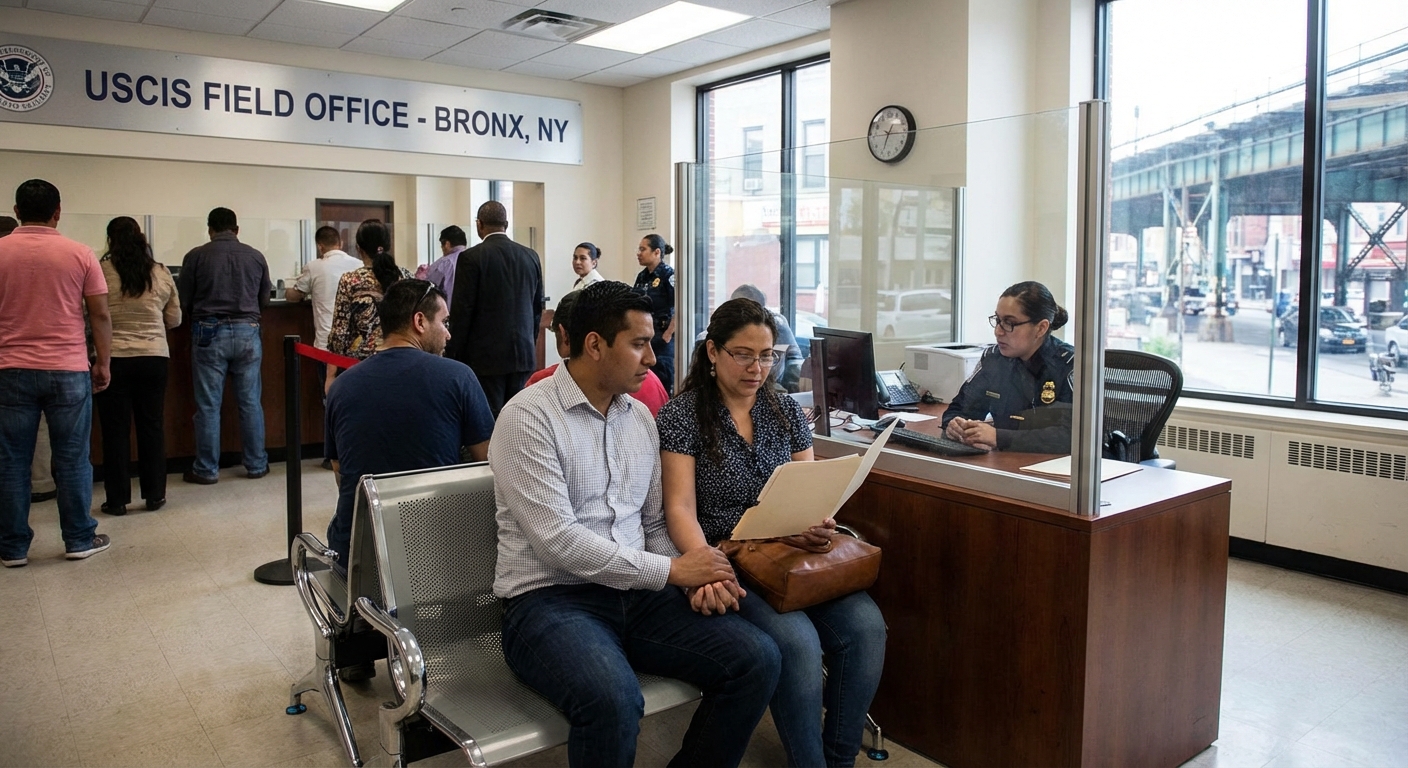
If your family member is already in the U.S. legally, they may be able to adjust status without leaving the country. That means filing Form I-485 once a visa number is available. If they're abroad, they'll go through consular processing at a U.S. embassy or consulate.
Here's what each path involves:
- Adjustment of status keeps them in the U.S. during processing
- Consular processing requires an interview abroad
- Both require medical exams and background checks
- Both can trigger additional scrutiny if there's any immigration violation history
- Adjustment applicants can apply for work authorization while waiting
Choosing the wrong path — or trying to adjust when your relative isn't eligible — can tank the whole case. If they overstayed a visa or entered without inspection, consular processing might trigger a bar. That's where an attorney becomes essential.
The Bronx Has Resources You Should Use
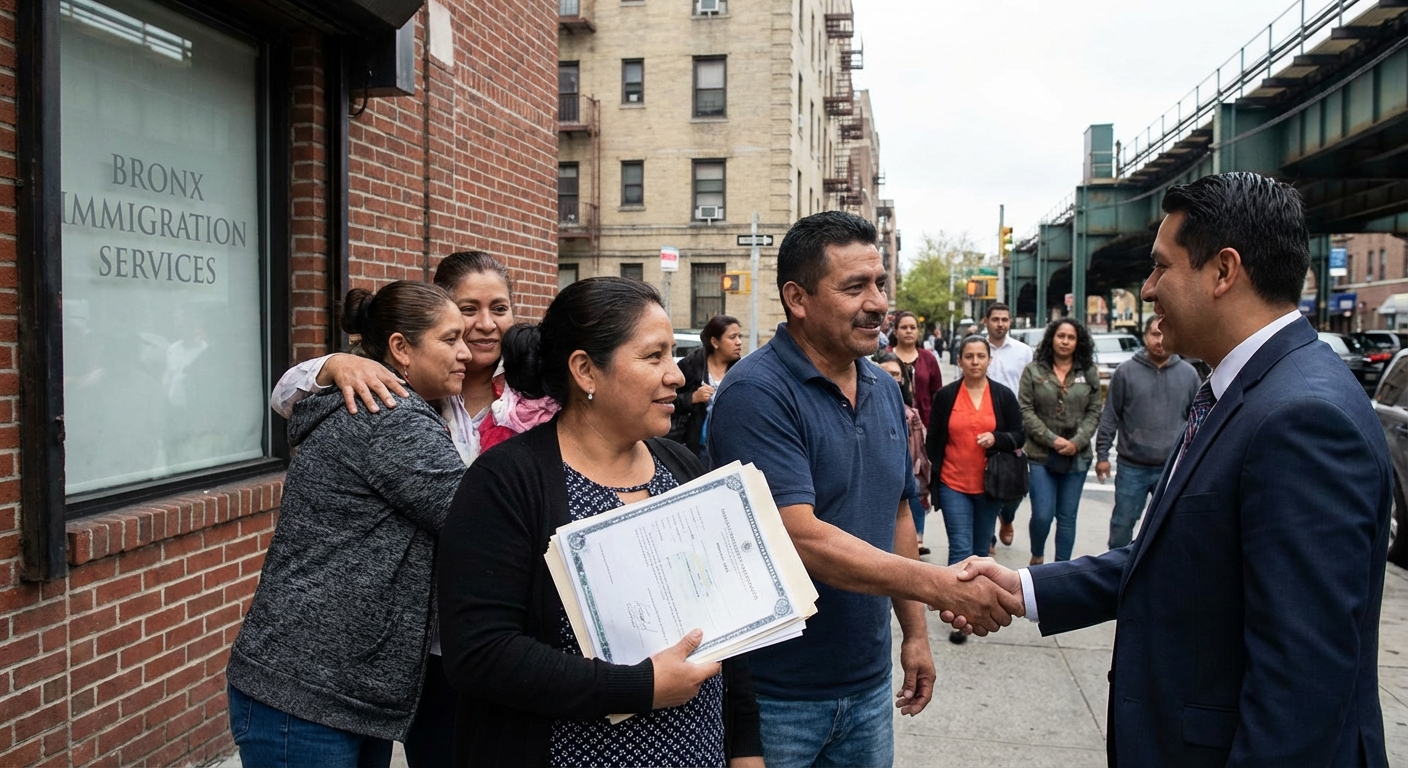
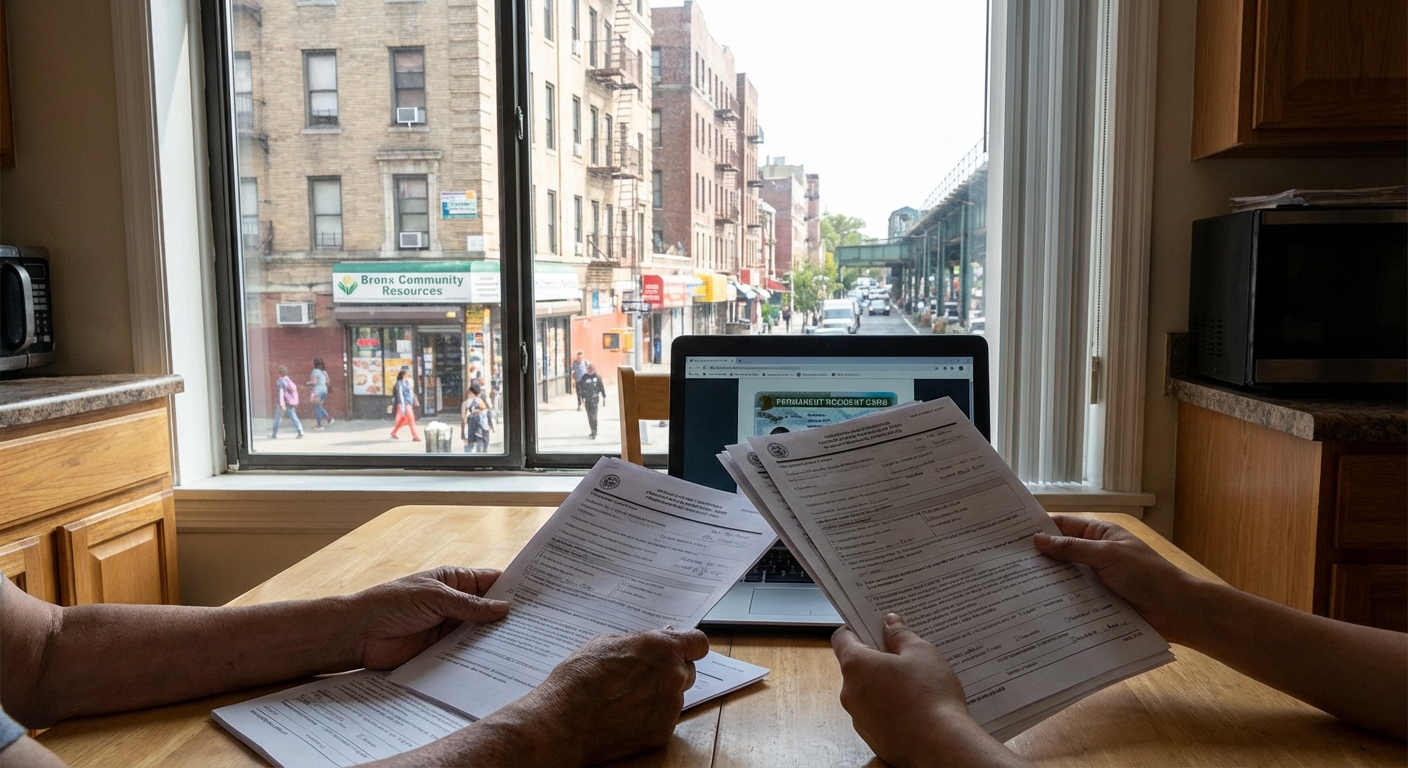
You're not doing this alone. The Bronx has immigration nonprofits, legal clinics, and community organizations that offer free or low-cost help. Some provide document review. Others offer full representation. Many host know-your-rights workshops and application assistance events.
Don't wait until you're stuck to ask for help. Get your documents reviewed early. Make sure your I-130 is airtight before you mail it. And if your case has any complications — prior deportations, criminal history, public benefits use — bring in a pro before you file anything.
Where Sponsors Usually Mess Up
Thinking the relationship alone is enough. It's not. You need proof, income, and clean paperwork. Mixing up forms or skipping required signatures can get your petition rejected outright. And if you've sponsored others before, USCIS will check whether you're still meeting your obligations.
Here's what trips people up most:
- Filing the wrong form or using an outdated version
- Forgetting to sign or date the petition
- Submitting copies when originals are required
- Not updating USCIS when you move
- Failing to respond to Requests for Evidence on time
Every mistake adds time. Some mistakes kill the case entirely. If you're not sure, double-check the instructions or get a second set of eyes on your application before you send it.
Processing Times Aren't Predictable
USCIS publishes estimated processing times, but they're just estimates. Some cases move in months. Others drag on for over a year. Backlogs shift. Policies change. And certain field offices move faster than others.
You can check case status online, but don't expect daily updates. Most cases sit quiet for long stretches, then suddenly move forward. If your case is outside normal processing times, you can submit an inquiry. Just don't expect that to speed things up unless there's a clear error.
When You Need Legal Help
If your case involves anything beyond a straightforward spousal or parent petition, get help. That includes situations where your relative has overstayed, worked without authorization, or been denied entry before. It also includes cases where you've used public benefits or don't meet the income requirement on your own.
A qualified immigration attorney can:
- Review your eligibility before you file
- Identify potential issues that could cause delays or denials
- Prepare a complete and accurate petition
- Respond to RFEs and handle interviews
- Appeal denials or file motions to reopen
It's not just about getting approved this time. It's about avoiding mistakes that could affect future petitions or put your relative's status at risk down the line.
Sponsorship Is a Long-Term Commitment
Filing the I-864 isn't just paperwork. It's a legally binding contract. You're agreeing to support your relative financially until they become a citizen, work for forty qualifying quarters, leave the U.S. permanently, or die. If they use certain public benefits, the government can come after you for reimbursement.
That obligation doesn't end if you get divorced, have a falling out, or change your mind. It's enforceable in court. So before you sign, make sure you understand what you're committing to — and that you're prepared to follow through.
Bringing Family to the Bronx Takes Planning
Sponsoring a relative for a green card isn't complicated, but it's not casual either. You need the right status, the right documents, and the right income. You need to file correctly, respond quickly, and stay on top of deadlines. And you need to know when to ask for help before a small mistake turns into a big problem. If you're navigating family sponsorships, understanding green cards, or dealing with citizenship applications, working with experienced professionals who handle immigration matters can make all the difference. The Bronx has the resources. You just have to use them.
Let’s Bring Your Family Together
We know how much it means to reunite with loved ones and build your future here in the Bronx. If you’re ready to take the next step or want to make sure your sponsorship is handled right, let’s talk it through together. Call us at 718-819-1728 or schedule a free consultation and let’s get your family’s journey started on the right foot.
‹ Atrás