



By using our website, you agree to the use of cookies as described in our Cookie Policy
How Child Support Works When Parents Live in Different Households in the Bronx
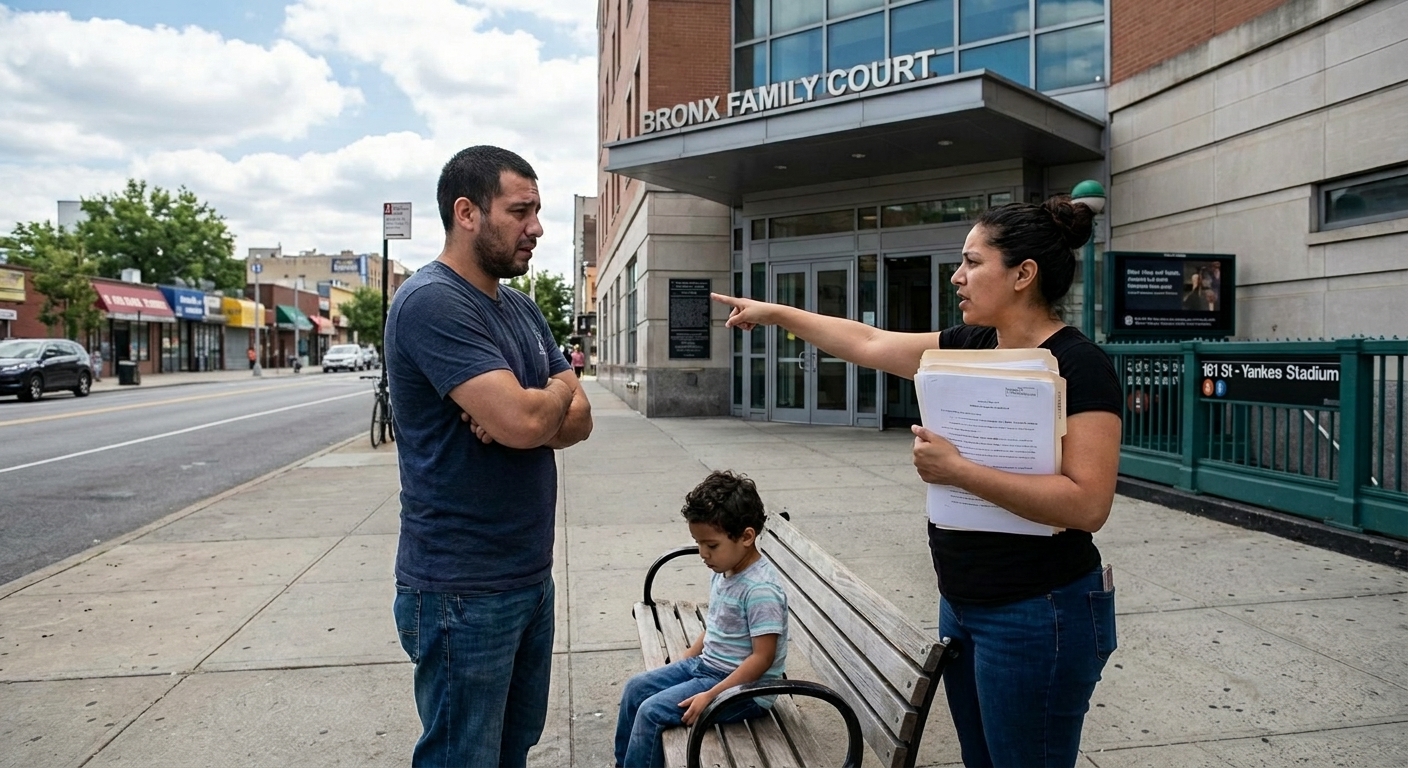
Most parents think child support is just about writing a check. Money out, money in. But the Bronx Family Court sees more than that — and if you don't, you're asking for complications. Child support orders may not feel like legal contracts, but they carry weight on your finances and your record. Especially if you're behind on payments or trying to modify an existing arrangement.

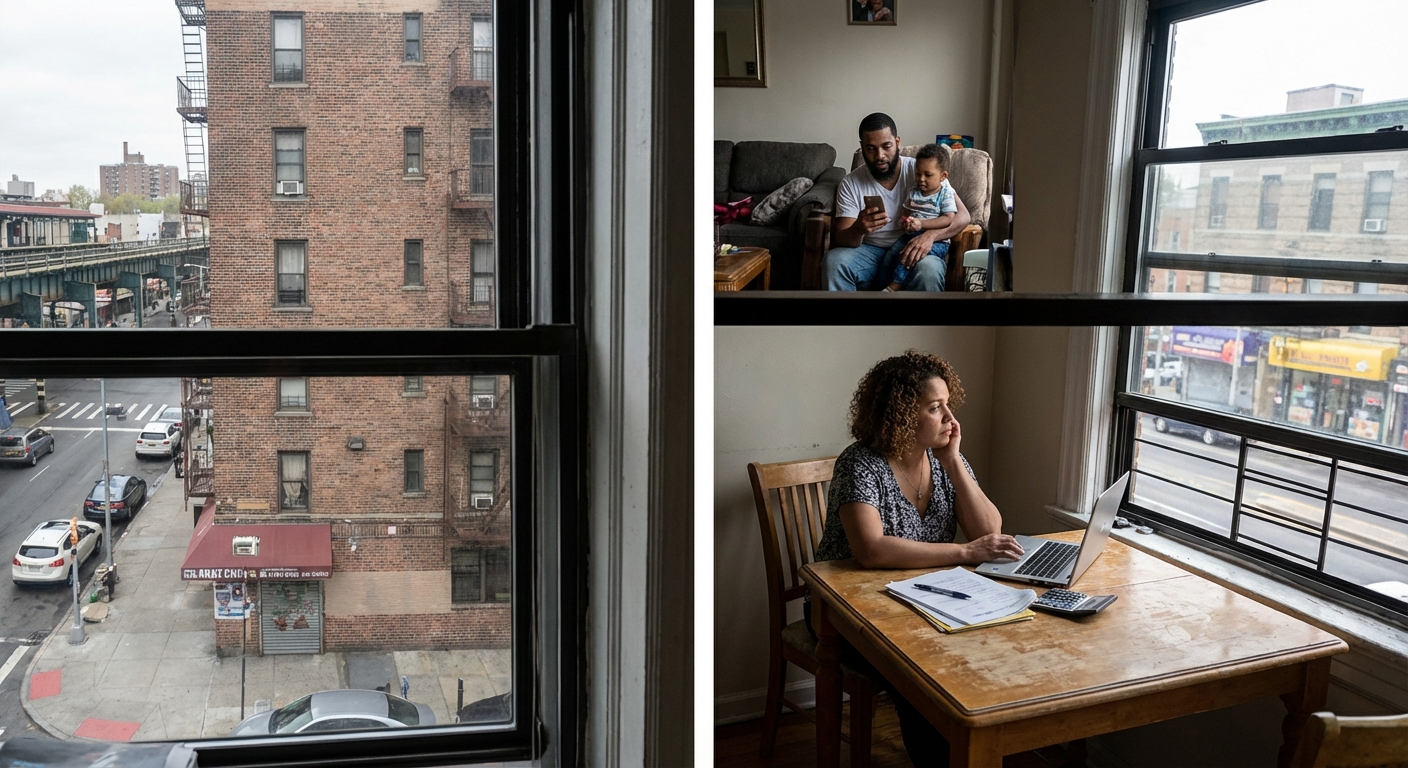
So here's the deal. If you're raising a child across two households, that's reality. Just don't treat the support system like a suggestion. Every payment should have a record. Every modification needs documentation. And every decision should be grounded in what the child actually needs — not just what looked fair when you split up.
When Support Becomes a Legal Obligation
Nine times out of ten, child support kicks in the moment parents stop living together. You separate, you establish child custody — that's when the non-custodial parent becomes responsible for financial contributions. The court doesn't care how amicable the breakup was, only that the child's needs are covered and both parents are contributing.
But if that arrangement gets ignored? Different story. Unpaid support can snowball into enforcement actions, especially if the custodial parent files for collection or the state steps in. We saw this play out in real time during the pandemic. Plenty of parents thought missed payments would slide — they didn't. And when enforcement gets triggered, the court expects to see compliance unless you meet an exception like documented hardship.
The Formula the Court Uses
You can't just guess what you owe — that's calculated using a state formula. The Child Support Standards Act sets the baseline, and the Bronx Family Court applies it to your combined parental income.
Here's where that matters most:
- One child: 17% of combined income goes toward support
- Two children: 25% of combined income is the standard
- Three children: 29% gets allocated for support
- Four children: 31% is the expected contribution
- Five or more: At least 35% of combined income applies
What Gets Included Beyond the Base Amount
Want to understand your full obligation? You'll need to factor in more than just the percentage. The court adds on costs that directly impact the child's well-being.
Here's what your support calculation should include:
- Childcare expenses while the custodial parent works or attends school
- Health insurance premiums covering the child
- Unreimbursed medical costs beyond what insurance covers
- Educational expenses, including tuition or special programs
Filing for Support in Bronx Family Court
If parents can't agree on an amount, either one can file a petition. The court schedules a hearing, both sides present financial records, and a judge issues an order. That order isn't a suggestion — it's enforceable by law.
Failing to comply can trigger serious consequences. Wage garnishment is common. License suspension happens. In extreme cases, contempt charges can land you in jail. Mixing personal frustration with legal obligations is one of the fastest ways to lose control of the situation. So if you're behind, address it before the court does.
When Orders Need to Change
Life shifts, and sometimes the original support order doesn't fit anymore. Job loss, income changes, or new expenses for the child can all justify a modification. Either parent can file for a review, but you'll need proof that circumstances have changed significantly.
Don't wait until you're drowning to ask for help. If your income dropped or the child's needs increased, file the petition. The court won't adjust retroactively — only from the date you file forward. Delay costs you money or leaves the child without adequate support.
How Enforcement Works When Payments Stop
The state doesn't wait around if support goes unpaid. New York's Child Support Enforcement Program steps in to collect what's owed. They can intercept tax refunds, garnish wages, or place liens on property. The goal is simple: make sure the child gets what they're entitled to, no matter how messy the parents' relationship is.
Here's what enforcement can look like:
- Automatic wage withholding from the non-custodial parent's paycheck
- Seizure of tax refunds at the state or federal level
- Suspension of driver's licenses or professional licenses
- Reporting delinquent payments to credit bureaus
- Contempt proceedings that can result in jail time
Where Most Parents Slip Up
Trying to handle support informally without a court order? The state won't recognize that as compliance. Verbal agreements don't count. Cash payments without receipts won't protect you. Most parents stay on track by formalizing everything through the court and keeping meticulous records — and plenty avoid headaches by consulting a family law attorney early.
Keeping Records That Actually Matter
Don't wait until enforcement starts to dig up proof of payment. If you miss documentation, you're vulnerable. If you overreport or misreport, you risk inconsistencies that hurt your case. Track every payment with dates, amounts, and methods. It's tedious. It works.
Your documentation should include:
- Copies of the court order with payment terms clearly stated
- Bank statements or canceled checks showing each payment
- Receipts for direct payments made to third parties for the child
- Records of any modifications or adjustments approved by the court
When to Bring In Legal Help
If your support situation involves multiple children, shared custody, or disputed income calculations, you're in territory where DIY gets risky. A family law attorney helps you navigate the formula, file modifications correctly, and defend against enforcement actions if you've been wrongly accused of non-payment.
It's not just about lowering your obligation this year. It's about setting up clean habits that keep your family stable and compliant for the long haul. The Bronx Family Court doesn't forgive sloppiness, but it does respect parents who show up prepared and take their responsibilities seriously. If you need guidance on related matters such as paternity establishment or visitation rights, experienced legal counsel can help you address those issues alongside your support obligations.
Support Moves With a Paper Trail
Raising a child across two households isn't the hard part. Proving you've met your obligations — and defending how you've contributed when questions arise — that's where parents get caught off guard. There's no excuse for missing payments when the system is there to guide you. But there's also no forgiveness when you blow past the rules or ignore the court's authority. Stay organized, stay compliant, and keep the focus where it belongs: on the child's well-being.
Let’s Secure Your Child’s Future Together
Navigating child support across two households can feel overwhelming, but we don’t have to do it alone. With the right legal guidance, we can protect your rights and ensure your child’s needs are met every step of the way. If you’re ready to take control of your situation or need help with enforcement or modifications, call us at 718-819-1728 or schedule a free consultation to get started on the right path.
‹ Back
Recent Posts
-
Sponsoring a Family Member for Immigration from the Bronx
September 10, 2026
-
Do You Need a Lawyer to File a Will in the Bronx?
August 20, 2026
-

Getting Divorced in the Bronx While Living Together
August 13, 2026
-
-