



By using our website, you agree to the use of cookies as described in our Cookie Policy
What Happens When One Parent Wants to Relocate With a Child in the Bronx?
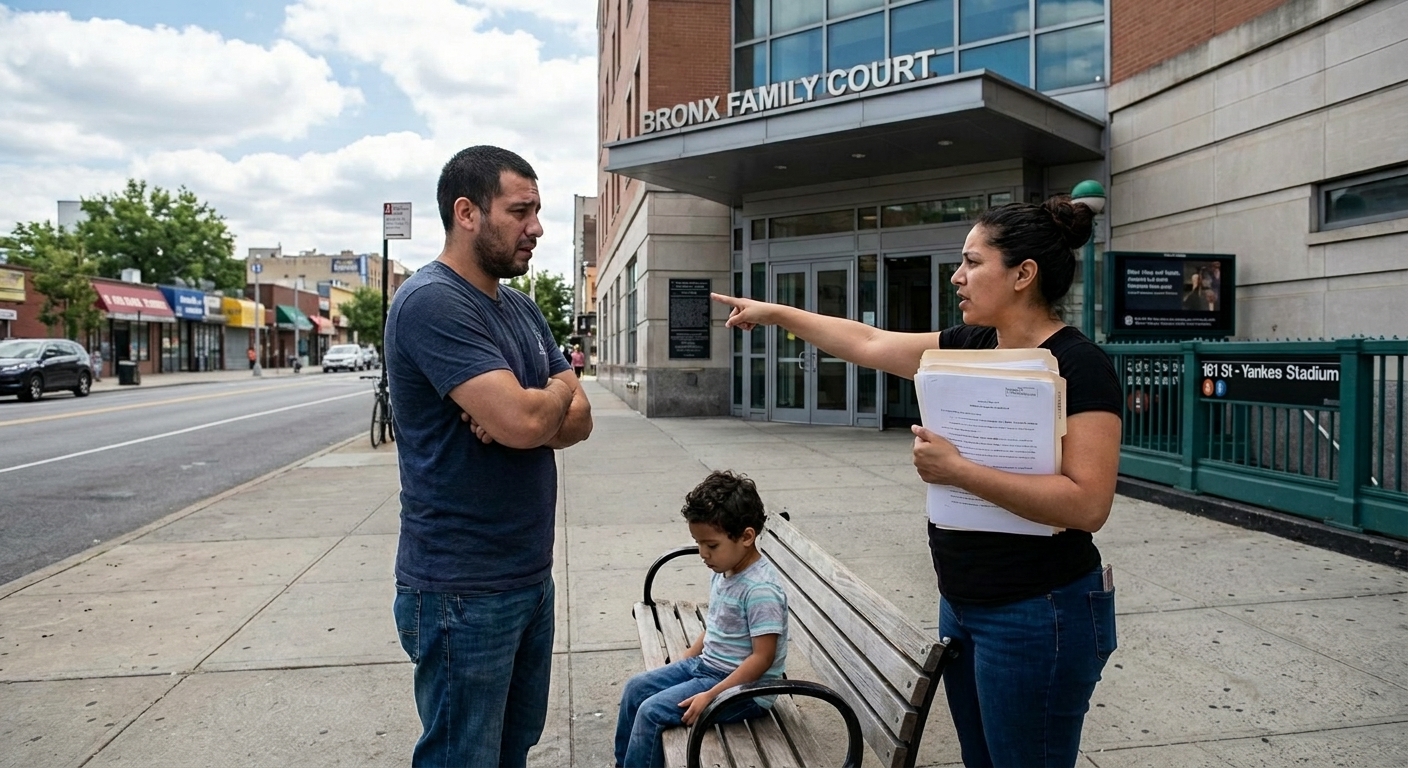
Most parents think relocation is just about packing boxes and finding a new apartment. But the courts see it differently — and if you don't understand that, you're walking into a legal minefield. Moving with your child isn't just a personal decision when child custody is involved. It's a legal process that requires either agreement or approval. And if the other parent objects, you're headed to Family Court whether you're ready or not.
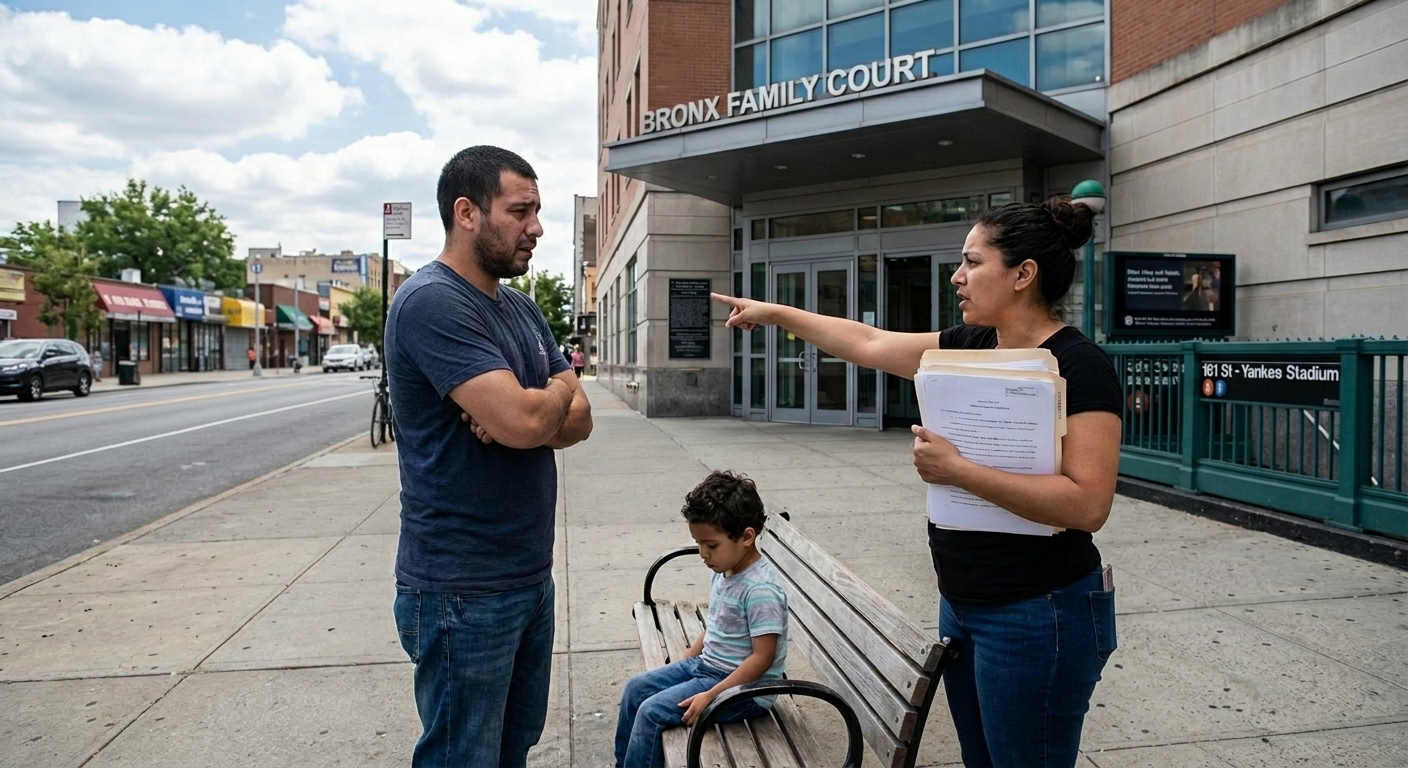
So here's what matters. If you're planning to relocate for work, family support, or a better opportunity, that's understandable. Just don't assume you can make that call unilaterally. Every move that disrupts the existing arrangement needs documentation. Every argument needs evidence. And every decision the court makes will be grounded in what's best for the child — not what's most convenient for you.
New York Doesn't Let You Just Leave
We operate under a system where the child's welfare comes first. That means if you share custody — or even if you have sole custody — you can't relocate without either the other parent's written consent or a court order. This applies whether you're moving to Westchester, New Jersey, or across the country. Even a move within the five boroughs can trigger a legal challenge if it makes visitation harder or disrupts the child's routine.
The standard the court uses is straightforward but demanding. They want to know how the move serves the child's best interests. Not yours. Not your career. The child's stability, education, relationships, and emotional health are what drive the decision. And if you can't prove the move benefits them, you're not getting approval.
What the Court Actually Looks At
Judges don't guess. They evaluate specific factors, and they expect both parents to come prepared with evidence. The court will dig into the reasons behind the move, the impact on the child's life, and whether the non-relocating parent can maintain a meaningful relationship after the move. These aren't abstract considerations — they're the foundation of every relocation case.
Here's what gets scrutinized:
- Why you're moving and whether it's legitimate — job transfer, educational opportunity, or proximity to family support all carry weight
- How the move affects the child's schooling, healthcare, friendships, and overall stability
- Whether the non-relocating parent has been actively involved and how the move would disrupt that involvement
- What the current custody and visitation schedule looks like and how realistic it is to maintain after relocation
- Whether the child is old enough to express a preference and what they actually want
Filing Means Going to Court
If the other parent won't agree, you'll need to file a petition with the Bronx Family Court. That kicks off a formal process where both sides present their case. You'll need to show that the move is necessary and beneficial for the child. The other parent will argue why it's harmful or unnecessary. The judge will review testimony, documents, and sometimes input from the child or a court-appointed attorney.
This isn't a quick hearing. Expect multiple court dates, possible evaluations, and a thorough examination of your motives and plans. The court may appoint an attorney for the child to independently assess what's in their best interest. And if your case is weak or your documentation is thin, you're going to lose.
Outcomes Aren't Always Clean
The court can grant your request, deny it outright, or approve it with conditions. If you win, expect modifications to the custody order. That might mean longer summer visits for the other parent, more holiday time, or increased virtual contact. The goal is to preserve the child's relationship with both parents, even if geography makes it harder.
If you lose, you're stuck with a choice. Stay in the Bronx and keep your custody arrangement intact, or move without the child and risk losing custody altogether. Courts don't look kindly on parents who relocate in defiance of an order. That's a fast track to contempt charges and a custody modification that doesn't favor you.

Where Parents Lose Ground
We see the same mistakes over and over. Parents assume good intentions are enough. They think the court will just trust them. But judges don't operate on trust — they operate on evidence. And when you show up unprepared, you lose credibility fast.
Here's where cases fall apart:
- Failing to communicate with the other parent early and in writing about your plans
- Not having a clear, documented reason for the move that ties directly to the child's benefit
- Ignoring how the move will realistically affect the other parent's ability to stay involved
- Assuming the court will side with the custodial parent by default — they won't
- Waiting until the last minute to file or failing to gather supporting documents like job offers, school information, or housing plans
What You Need to Bring
Documentation wins cases. If you're serious about relocating, you need to build a file that proves your case before you ever step into court. That means gathering evidence of why you're moving, how it benefits the child, and how you plan to maintain the other parent's relationship with the child.
Your file should include:
- Written job offers, transfer letters, or proof of educational enrollment
- Information about schools, healthcare, and community resources in the new location
- A proposed visitation schedule that accounts for distance and travel costs
- Evidence of your involvement in the child's life and your ability to support their needs
- Any communication with the other parent about the move, including their objections or concerns
When You Need Legal Help
Relocation cases are high-stakes. If you're the parent trying to move, you're asking the court to upend the current arrangement. If you're the parent opposing the move, you're fighting to preserve your relationship with your child. Either way, you need someone who knows how Bronx Family Court operates and what judges expect.
An experienced family law attorney helps you frame your case, gather the right evidence, and anticipate the other side's arguments. They know which factors carry the most weight and how to present your position in a way that aligns with the child's best interests. This isn't about winning for the sake of winning — it's about protecting your child's future and your role in it. Our staff understands the complexities of child law and can guide you through every step of the relocation process.
Geography Changes Everything
Relocation cases force courts to balance competing interests under impossible circumstances. One parent's opportunity can mean another parent's loss. And the child is caught in the middle, whether they understand it or not. There's no room for assumptions, no shortcuts through the process, and no forgiveness for parents who try to move first and ask permission later. The law is clear, the stakes are high, and the outcome depends entirely on how well you prepare and how convincingly you argue that the move serves your child — not just yourself.
Let’s Navigate Your Next Steps Together
Relocating with your child is never simple, but you don’t have to face the legal hurdles alone. We’re here to help you protect your relationship with your child and make sure your case is as strong as possible. If you’re considering a move or facing a relocation dispute, let’s talk about your options and build a strategy that puts your child’s best interests first. Call us at 718-819-1728 or schedule a free consultation to get started on the right path.
‹ Back
Recent Posts
-
Sponsoring a Family Member for Immigration from the Bronx
September 10, 2026
-
Do You Need a Lawyer to File a Will in the Bronx?
August 20, 2026
-
Getting Divorced in the Bronx While Living Together
August 13, 2026
-
-