



By using our website, you agree to the use of cookies as described in our Cookie Policy
Getting Divorced in the Bronx While Living Together
Shared walls don't automatically mean shared intentions. Plenty of Bronx couples decide their marriage is over but still wake up in the same apartment. Rising rents and limited inventory make moving out harder than moving on. If you're stuck sharing space with someone you're divorcing, you're not living some rare nightmare—you're dealing with a reality that thousands of couples in the Bronx face every year.
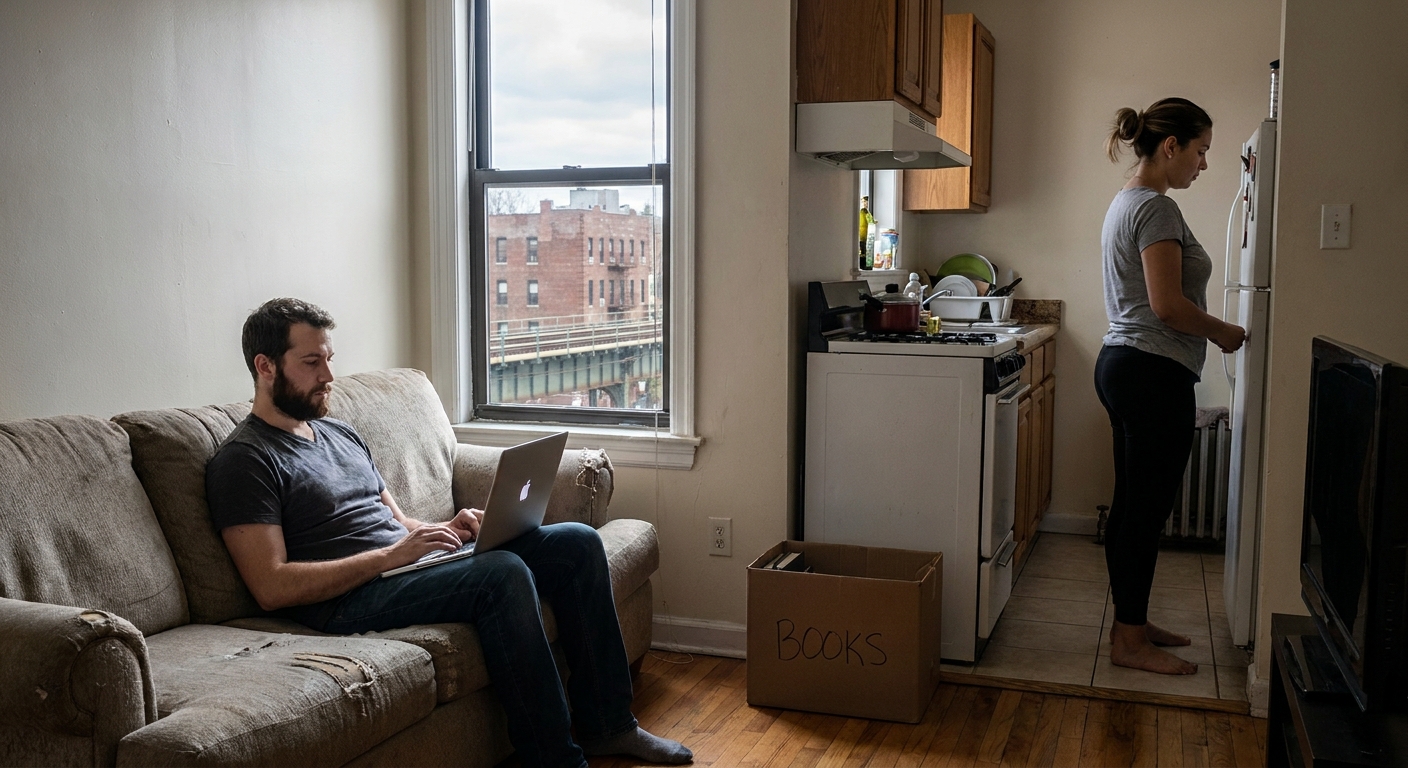
The law doesn't force you to pack your bags before filing papers. New York allows divorce without separation, which means cohabitation doesn't block your case from moving forward. What it does complicate is everything else—custody arrangements, asset splits, support calculations, and day-to-day survival. If you want to make it through without losing your mind or your legal standing, you need to understand what the court cares about and how living together impacts the outcome.
Why Couples Keep Sharing the Same Address
It's not always stubbornness or denial. Most of the time, it's logistics. When housing costs are steep and credit isn't perfect, securing a new place takes time—and money neither spouse may have yet. Other times, it's about keeping routines stable for kids or waiting until the settlement clarifies who gets what.
Here's what keeps divorcing couples under one roof in the Bronx:
- Rent prices that outpace income growth
- Security deposit requirements that drain savings fast
- School districts and childcare arrangements tied to current location
- Shared leases that can't be broken without penalty
- No immediate family or friends with extra space
What the Court Actually Looks At
Living together won't kill your divorce case, but it might influence how a judge views custody or spousal support. Courts want to know whether your arrangement is functional or volatile. If you're managing separate bedrooms and cooperative parenting, that's different from constant fights in front of the kids. The more documented proof you have of boundaries and civility, the better your position.
When evaluating living situations, courts tend to focus on these factors:
- Whether children are exposed to ongoing conflict
- How household expenses are divided and tracked
- Evidence of financial independence or dependency
- Proof that both parties maintain separate personal lives
- Any documented incidents of harassment or control
Setting Up Space Without Losing Your Mind
Establishing boundaries isn't about being petty—it's about survival. You need physical and emotional separation even if the square footage is tight. Agree on schedules for shared spaces like kitchens and bathrooms. Decide who uses which bedroom and stick to it. If possible, split storage and avoid touching each other's belongings without permission.
This isn't cohabitation anymore—it's temporary logistics. Treat it like roommates who happen to share a legal history. Don't blur lines by cooking together or watching TV side-by-side. The clearer your boundaries now, the cleaner your case later. Courts notice patterns, and so do kids.
Tracking Money Becomes Non-Negotiable
When you're still living together, financial lines get messy fast. Who paid for groceries? Who covered the electric bill? If you can't prove what you contributed, you lose leverage when dividing marital assets or arguing for support. Open a separate bank account if you haven't already. Keep receipts for everything you pay individually. Screenshot Venmo transfers and note what they covered.
Financial documentation you'll need includes:
- Bank statements showing individual contributions to rent or utilities
- Receipts for groceries, childcare, or household repairs
- Records of who paid credit card bills or loans
- Proof of income and employment changes
- Any written agreements about splitting costs
How Kids Factor Into Shared Living
Children notice tension even when you think you're hiding it well. If you're divorcing but still in the same home, your priority is keeping their routines stable and their stress low. That means no arguments within earshot, no using them as messengers, and no forcing them to pick sides. Courts pay close attention to how parents handle conflict when determining custody.
You'll strengthen your custody case by showing you can coexist without drama. Keep communication with your spouse businesslike and document cooperative parenting efforts. If things escalate, consider temporary custody arrangements or mediation before a judge has to step in.
When Staying Becomes Unsafe
Not every shared living situation is tolerable. If there's verbal abuse, threats, or any hint of violence, staying put isn't worth the risk. Safety trumps convenience or financial concerns. File for an order of protection if needed and explore emergency housing options through local Bronx resources or family court services.
Signs it's time to leave immediately:
- Threats of physical harm to you or your children
- Destruction of property or intimidation tactics
- Stalking behavior or invasion of privacy
- Substance abuse that creates an unstable environment
- Emotional manipulation that impacts your mental health
Legal Guidance Keeps You Protected
Divorce while cohabiting isn't something to DIY. A Bronx-based attorney helps you navigate custody disputes, spousal support calculations, and asset division without making costly mistakes. They'll also advise on when and how to document living arrangements so the court sees your situation accurately.
Don't assume goodwill lasts. Even amicable splits can turn contentious when money or kids are involved. Having a lawyer means you're prepared for worst-case scenarios while hoping for the best. They'll also spot red flags you might miss and keep your paperwork airtight from day one.
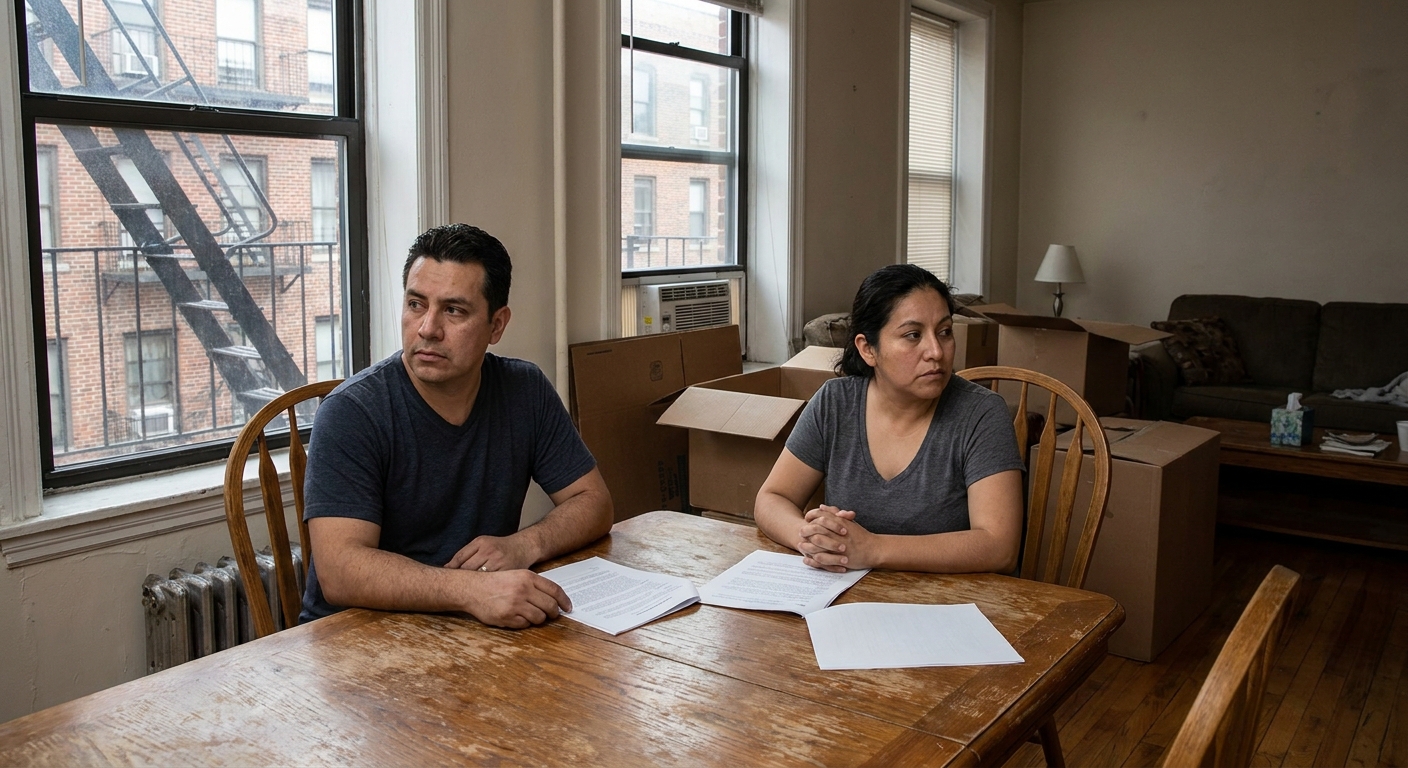
You're Not Stuck Forever
Sharing space with an ex feels endless when you're in it, but it's temporary. Most Bronx divorces resolve within months, not years—and once the settlement is signed, moving forward gets easier. Until then, focus on what you control. Maintain boundaries, document everything, and lean on professionals who understand how the system works. This phase won't define your future, but how you handle it will shape what comes next.
Let’s Take the Next Step Together
We know how overwhelming it can feel to navigate divorce while still sharing a home, but you don’t have to figure it out alone. Let’s work together to protect your interests and set you up for a smoother transition. If you’re ready to talk through your options or need answers tailored to your situation, call us at 718-819-1728 or schedule a free consultation today.
‹ Back
Recent Posts
-
Sponsoring a Family Member for Immigration from the Bronx
September 10, 2026
-
Do You Need a Lawyer to File a Will in the Bronx?
August 20, 2026
-
Getting Divorced in the Bronx While Living Together
August 13, 2026
-
-