



By using our website, you agree to the use of cookies as described in our Cookie Policy
Sponsoring a Family Member for Immigration from the Bronx
Most people in the Bronx think family sponsorship is just paperwork. Forms in, wait it out, green card arrives. But USCIS sees more than that — and if you don't, you're asking for delays, denials, or worse. Petitions may seem straightforward, but they leave a trail across your financial records, your relationship history, and every document you submit. Especially if you're claiming immediate relative status or filing an affidavit of support.
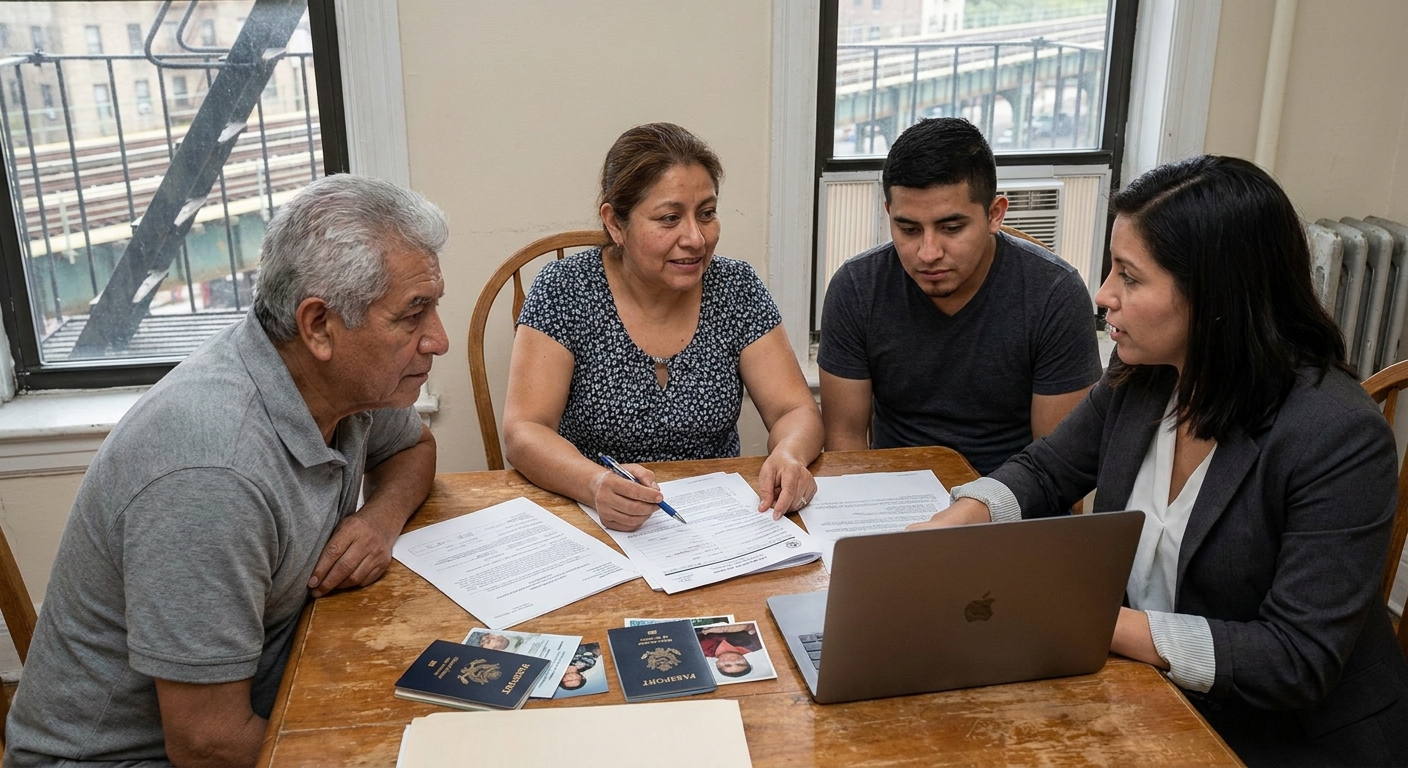
So here's the reality. If you're petitioning to bring someone here because family matters, that's valid. Just don't treat the process like a formality. Every form should be complete. Every supporting document needs to match. And every immigration decision should be grounded in how you prove the relationship — not just how genuine it feels to you.
Who Gets to Petition and Who Qualifies
Nine times out of ten, U.S. citizens have broader sponsorship rights than green card holders. You're a citizen, you can petition for your spouse, kids, parents, and siblings — that's the law. USCIS doesn't care how close you are emotionally, only whether the relationship fits their definitions and whether you can prove it.
But if you're a lawful permanent resident? Different ballgame. You can sponsor your spouse and unmarried children — that's it. No parents. No siblings. And even then, visa availability depends on preference categories and country-specific backlogs. We've seen this drag out for years with petitioners from certain countries. Immediate relatives of citizens get priority — everyone else waits in line.
The Categories That Control the Timeline
Not all family relationships are treated equally under immigration law. USCIS splits petitions into immediate relative categories and preference categories, and the difference matters.
- Immediate Relatives of U.S. Citizens: Spouses, unmarried children under 21, and parents. No annual cap, no waiting for visa availability.
- Family First Preference (F1): Unmarried adult children of U.S. citizens. Subject to annual limits and lengthy waits.
- Family Second Preference (F2A and F2B): Spouses and children of green card holders. F2A gets priority, F2B covers unmarried children over 21.
- Family Third Preference (F3): Married children of U.S. citizens. Backlogs here can stretch over a decade.
- Family Fourth Preference (F4): Siblings of U.S. citizens. Among the longest wait times in the system.
Filing the Petition Without Tripping Up
You can't skip steps and expect USCIS to fill in the blanks. Form I-130 is where the relationship gets established, and it needs to be airtight. Birth certificates, marriage certificates, proof of prior marriages ending — every document has to be authentic, translated if needed, and directly tied to the claim you're making.
Here's what makes or breaks a petition:
- Legal proof of your U.S. citizenship or lawful permanent resident status
- Valid proof of the qualifying relationship — certified documents, not photocopies
- Evidence of name changes if applicable, with court orders or marriage certificates
- Translations completed by certified professionals if documents aren't in English
Miss one piece, and you're looking at a Request for Evidence or an outright denial. USCIS doesn't give partial credit. Either the petition is complete or it isn't.
The Financial Responsibility You're Signing Up For
Want to sponsor? You'll need to prove you can support them financially. Form I-864, Affidavit of Support, isn't optional — it's a legally binding contract. You're promising the government that your relative won't need public benefits, and if they do, you're on the hook to reimburse.
The income threshold sits at 125% of the federal poverty guidelines for your household size. If your income doesn't hit that mark, you'll need a joint sponsor or you'll need to show significant assets. And if any of your income comes from sources USCIS doesn't recognize? That portion's off the table. No unemployment benefits counting toward your totals, even if you've been getting them for months.
USCIS Has Standards and Petitioners Miss Them
If your petition is under $29 million— just kidding. There's no revenue cap here. But there are three checkpoints USCIS uses to verify every family petition:
- You established a bona fide relationship that fits a qualifying category
- You provided sufficient documentation to prove that relationship
- You met the financial support requirements with current, verifiable income
Fail one of those, and the petition stalls. Even if the relationship is legitimate. And if any of your financial records show inconsistencies? That raises red flags too. No mixing household income with a roommate's paycheck just to hit the threshold.
Your Case Is Only As Strong As Your Evidence
Want approval? Show your work. You'll need more than a few photos and good intentions to back up your petition.
Here's what your documentation package should include:
- Original or certified copies of all civil documents
- Proof of ongoing relationship if applicable — joint accounts, correspondence, photos over time
- Tax returns for the most recent year, along with W-2s or 1099s
- Employment verification letter on company letterhead
If USCIS requests more evidence, they won't just accept explanations. Mixing personal assumptions with legal standards is one of the fastest ways to see a denial. So if that joint bank account you're submitting was only opened last month, you'd better have additional proof the relationship is genuine.
Where Petitioners in the Bronx Slip Up
Assuming All Relationships Qualify Automatically
Trying to sponsor a cousin or a niece because "family is family"? USCIS won't find that persuasive. Immigration law defines qualifying relationships narrowly, and most Bronx residents stay on course by consulting local immigration attorneys who know the preference categories inside out.
Forgetting to Update Address Changes
Don't assume USCIS will track you down if you move. If you miss notices because your address wasn't updated with Form AR-11, you risk abandoning your petition. Check your case status regularly. It's tedious. It prevents disasters.
Misrepresenting Income or Household Size
If you inflated your income or left dependents off your affidavit, that's grounds for denial — or worse, fraud allegations. USCIS cross-references tax returns and will catch discrepancies. If you didn't meet the financial threshold honestly, find a joint sponsor. That's what the option is for.
When to Bring in Legal Help
If your family situation involves prior deportations, criminal history, or complex immigration status, you're in territory where DIY gets dangerous.
An immigration attorney helps you:
- Identify which family members you can legally sponsor and which you can't
- Prepare a complete petition the first time, avoiding Requests for Evidence
- Navigate consular processing or adjustment of status cleanly
- Handle affidavit of support calculations if your income is borderline
- Represent you if complications arise during the interview or after filing
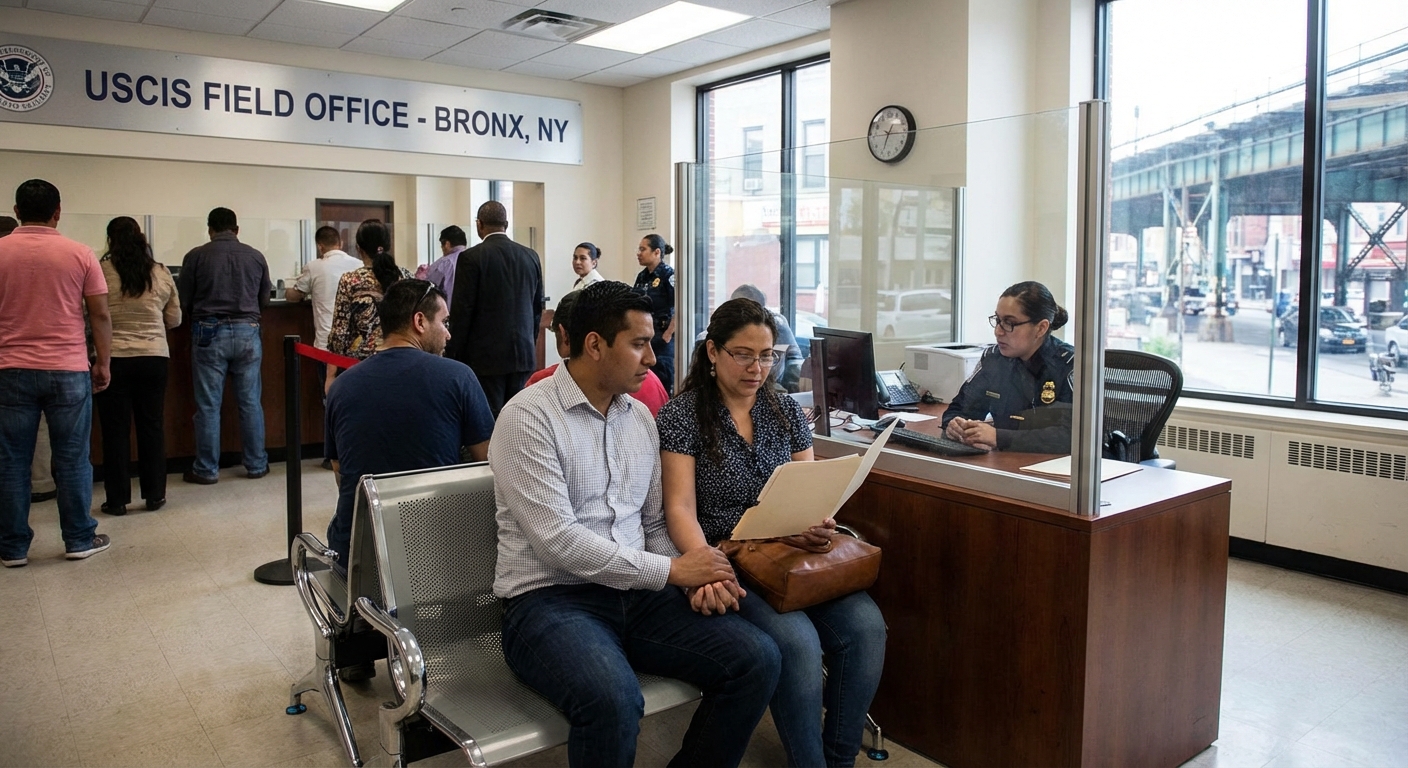
It's not just about getting a green card this year. It's about building a clean immigration record that keeps your family together and compliant for the long haul. The Bronx has experienced immigration lawyers who understand the local USCIS field office and consular processes.
Petitions Work When the Details Do
Filing a family petition isn't the hard part. Proving the relationship, meeting the financial bar, and defending every document at interview time — that's where petitioners get tripped up. There's no excuse for incomplete filings when the approval is there for the taking. But there's also no second chance when you blow past the rules. Every petition should have a paper trail. Every relationship needs verification. And every sponsorship decision should be grounded in how you documented it — not just how real it feels.
Let’s Move Your Family Forward Together
We know how much it means to bring your loved ones closer and keep your family strong here in the Bronx. If you’re ready to take the next step or want to make sure your petition is as solid as it can be, let’s talk it through together. Call us at 718-819-1728 or schedule a free consultation so we can help you navigate every detail with confidence.
‹ Back
Recent Posts
-
Sponsoring a Family Member for Immigration from the Bronx
September 10, 2026
-
Do You Need a Lawyer to File a Will in the Bronx?
August 20, 2026
-
Getting Divorced in the Bronx While Living Together
August 13, 2026
-
-