



By using our website, you agree to the use of cookies as described in our Cookie Policy
How Marriage-Based Green Card Applications Are Handled in the Bronx
Most couples think marriage-based green cards are just about paperwork. Forms in, approval out. But USCIS sees more than that — and if you don't, you're setting yourself up for delays or denials. Marriage petitions may seem straightforward, but they leave a trail across multiple agencies. Especially if you're adjusting status or dealing with conditional residence.
So here's the reality. If you're building a life together and one of you needs legal status, that's worth fighting for. Just don't treat the process like a formality. Every document should tell your story. Every answer needs consistency. And every immigration decision should be grounded in how genuine your relationship is — not just how it looks on paper.
When a Marriage Is Real and When USCIS Questions It
Nine times out of ten, legitimate marriages get approved. You meet someone, you fall in love, you get married — that's a relationship, not fraud. USCIS doesn't care how you met, only whether the marriage is bona fide and whether you can prove it.
But if red flags pop up? Different story. Inconsistent answers during interviews can trigger scrutiny, especially if the timeline seems rushed or the documentation is thin. We've seen this play out in real time with couples in the Bronx. Plenty of applicants thought approval was automatic — it wasn't. And when USCIS flags a case, they expect to see evidence of a shared life unless you meet exceptions like prior denials or immigration violations.
The Petition You File First
You can't skip the I-130 — that's the foundation. The U.S. citizen or permanent resident spouse files it to establish the relationship. USCIS reviews it to confirm the marriage is legally valid and not entered into solely for immigration benefits.
Here's where that matters most in the Bronx:
- Marriage certificates must be official and translated if not in English
- Joint financial records like bank statements or lease agreements strengthen your case
- Photographs together over time show continuity and genuine connection
- Affidavits from friends or family who know the relationship add credibility
- Previous immigration history can complicate things, so disclose everything upfront
Adjustment of Status Happens Locally
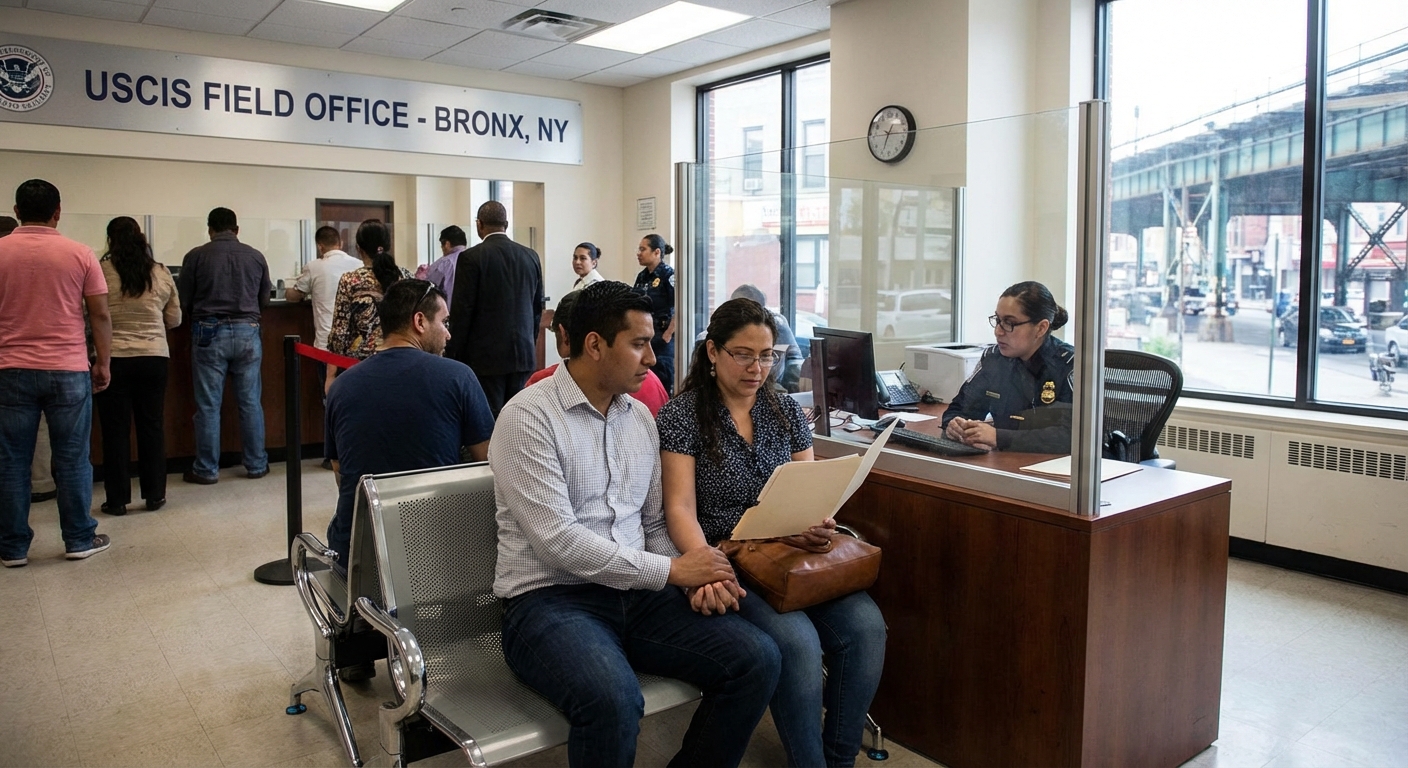
If the foreign spouse is already in the U.S., filing Form I-485 lets them adjust status without leaving the country. That means interviews happen at the Bronx USCIS field office, not overseas. It's faster in theory, but local processing times vary.
The Bronx office handles high volume. That means longer waits between filing and interview dates. We've seen couples wait months just to get scheduled. Staying patient and responsive to any requests for evidence is critical. Missing a deadline or failing to submit requested documents can stall everything.
Biometrics Aren't Optional
Once you file, USCIS schedules a biometrics appointment. Fingerprints, photos, signature — it's all part of the background check. The appointment usually happens at an Application Support Center in or near the Bronx.
Show up on time. Bring your appointment notice and a valid ID. If you miss it without rescheduling, your case can be delayed or even denied. It's a small step, but it's non-negotiable.
The Interview Is Where Cases Get Decided
This is the moment USCIS determines whether your marriage is legitimate. Both spouses must attend. The officer will ask questions about your relationship — how you met, where you live, what your daily routines look like, who knows about your marriage.
Here's what makes Bronx interviews unique:
- High immigrant population means officers are experienced but also cautious
- Language barriers are common, so interpreters are allowed but must be neutral
- Inconsistent answers between spouses raise immediate red flags
- Officers may ask detailed questions about household finances or family dynamics
- Bringing additional evidence to the interview can help if questions arise
Conditional Status Comes First for New Marriages
If your marriage is less than two years old when the green card is approved, the foreign spouse gets conditional residence. It's valid for two years. Before it expires, you file Form I-751 jointly to remove the conditions and get a permanent card.
This step requires proving the marriage is still intact. Joint tax returns, shared property, children together — all of that counts. If the marriage ends before you file, things get complicated. Waivers exist, but they require strong evidence of good faith.
Where Most Couples in the Bronx Slip Up
Assuming the process is automatic? That's the first mistake. USCIS doesn't rubber-stamp applications. Weak documentation or vague answers during interviews can derail even genuine marriages. Most couples stay on track by preparing thoroughly and consulting with immigration attorneys who know the Bronx office.
Another common error is failing to update USCIS when addresses change. If you move and don't file Form AR-11, you might miss critical notices. That can lead to missed interviews or denials for failure to appear.
Documentation That Actually Holds Up
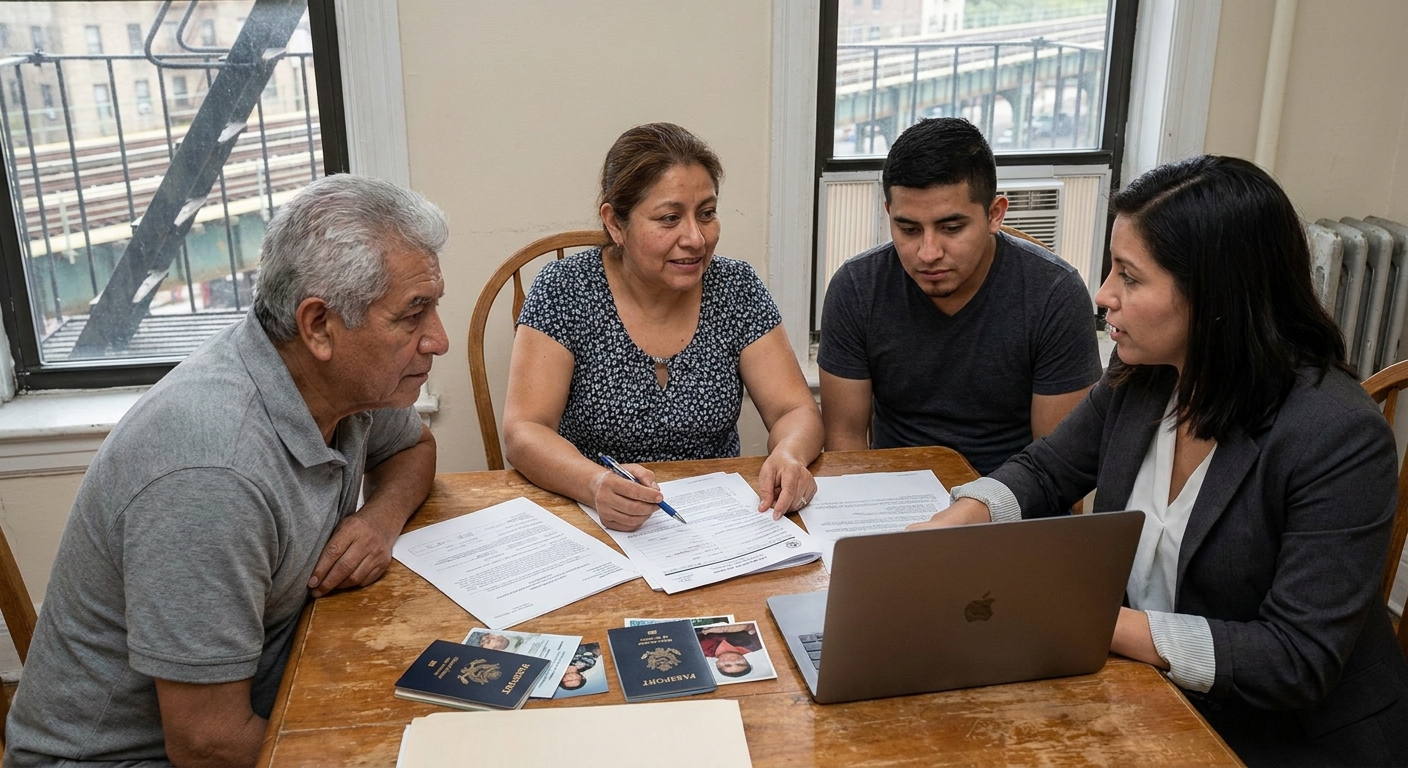
Want to prove your marriage is real? Show your work. You'll need more than a marriage certificate to convince USCIS.
Here's what strong evidence looks like:
- Joint lease or mortgage documents showing shared residence
- Bank statements from joint accounts with regular activity
- Utility bills in both names at the same address
- Photos together at family events, vacations, or everyday moments
- Affidavits from people who know you as a couple
When Language Becomes a Barrier
The Bronx is home to speakers of dozens of languages. If English isn't your first language, you can bring an interpreter to your interview. But that person can't be a party to the petition — no family members or friends with a stake in the outcome.
Professional interpreters are safer. They're neutral, experienced, and less likely to create confusion. If you're relying on translation, make sure all documents submitted are certified translations. USCIS won't accept informal or incomplete translations.
Local Resources Make a Difference
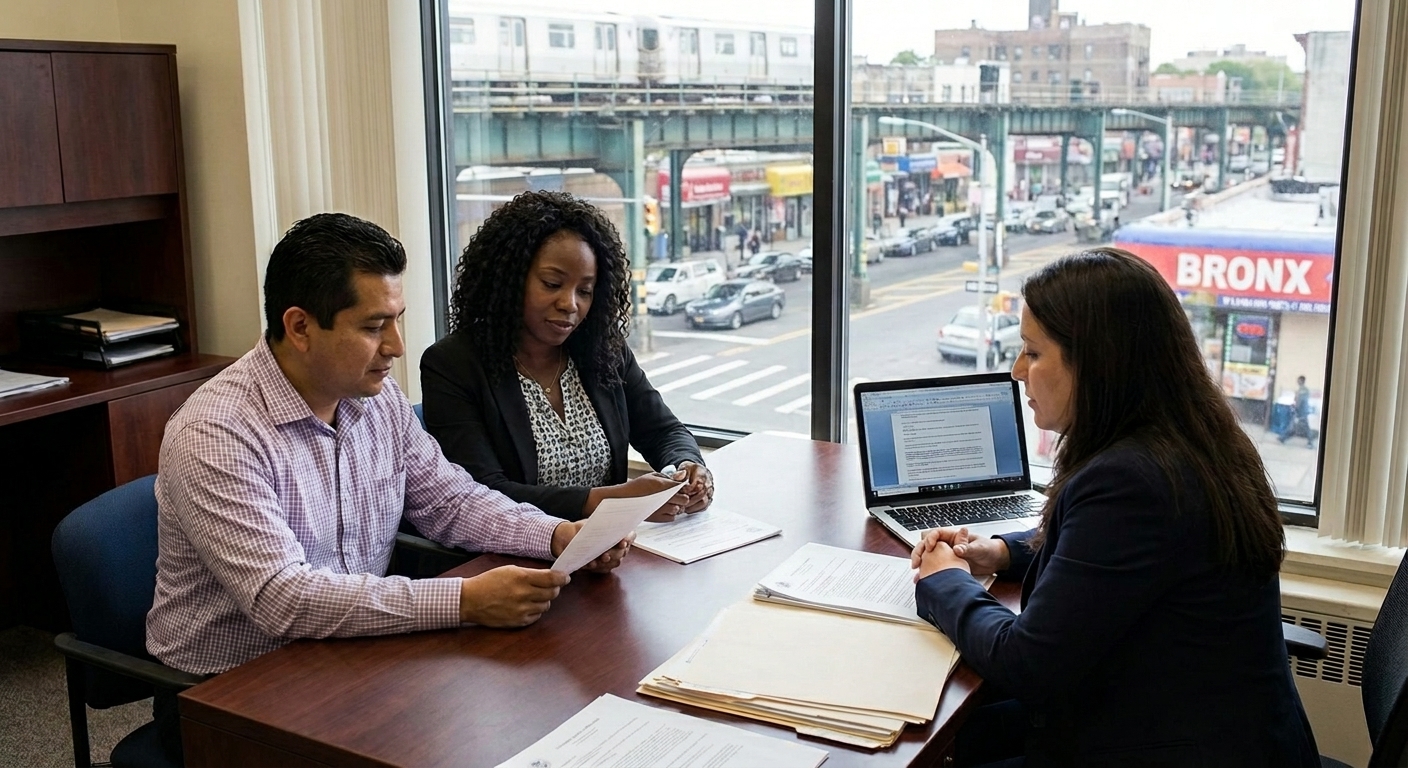
The Bronx has nonprofit organizations and legal clinics that help immigrants navigate the green card process. Many offer low-cost or free consultations. If your case has complications — prior visa overstays, criminal history, or previous denials — getting professional help isn't optional.
Immigration attorneys familiar with the Bronx USCIS office know what officers look for. They can help you prepare for the interview, organize your evidence, and respond to requests for additional documentation. It's not just about getting approved this year. It's about avoiding mistakes that could haunt you later.
Processing Times Aren't Predictable
The Bronx office handles thousands of cases. Wait times fluctuate based on staffing, case complexity, and overall volume. Some couples get interviews within months. Others wait over a year. Checking USCIS processing times online gives you a rough estimate, but it's not a guarantee.
Patience is part of the process. So is staying organized. Keep copies of everything you submit. Track receipt numbers. Respond immediately to any USCIS correspondence. The more proactive you are, the less likely you are to face avoidable delays.
Removing Conditions Isn't Automatic
If you received conditional residence, filing Form I-751 is mandatory. You file it jointly with your spouse within the 90-day window before your conditional card expires. Miss that window, and you could lose your status.
Here's what you need to include:
- Joint tax returns for the past two years
- Proof of shared financial responsibilities like mortgages or car loans
- Birth certificates of children born during the marriage
- Updated photos and affidavits showing the relationship continues
- Any other evidence that demonstrates an ongoing, genuine marriage
When to Bring in a Pro
If your case involves prior immigration violations, criminal records, or a marriage that ended before you could remove conditions, DIY gets risky. An immigration attorney helps you navigate waivers, gather the right evidence, and present your case clearly.
Even straightforward cases benefit from professional review. Attorneys catch mistakes before you file. They prepare you for tough interview questions. And they know how to respond if USCIS issues a Request for Evidence or Notice of Intent to Deny.
Building a Life With Legal Clarity
Getting married is the easy part. Proving that marriage to a federal agency — and doing it right — that's where couples get tripped up. There's no excuse for sloppy preparation when the path to permanent residence is clear. But there's also no forgiveness when you ignore the rules or miss deadlines. The Bronx USCIS office processes thousands of residencia permanente por matrimonio cada año se presentan numerosas solicitudes, y las que tienen éxito son aquellas respaldadas por pruebas sólidas, respuestas honestas y una atención meticulosa a los detalles.
Aseguremos juntos su futuro
El proceso para obtener la tarjeta de residencia por matrimonio en el Bronx puede resultar abrumador, pero no tiene que hacerlo solo. Estamos aquí para ayudarle a evitar errores costosos y avanzar con confianza. Si está listo para dar el siguiente paso, llámenos al 718-819-1728 o programe una consulta gratuita trabajemos juntos para que su camino hacia la residencia permanente sea lo más sencillo posible.
‹ Back
Recent Posts
-
Sponsoring a Family Member for Immigration from the Bronx
September 10, 2026
-
Do You Need a Lawyer to File a Will in the Bronx?
August 20, 2026
-
Getting Divorced in the Bronx While Living Together
August 13, 2026
-
-