



By using our website, you agree to the use of cookies as described in our Cookie Policy
Can Bankruptcy in the Bronx Stop Wage Garnishment?
Wage garnishment doesn't just hurt financially. It humiliates. Every paycheck comes in lighter than it should, and there's nothing you can do about it until the debt's paid or something changes. But there is something you can do — and if you're in the Bronx dealing with creditors pulling money straight from your wages, bankruptcy might be the fastest way to make it stop. Not eventually. Not after negotiations. Immediately.
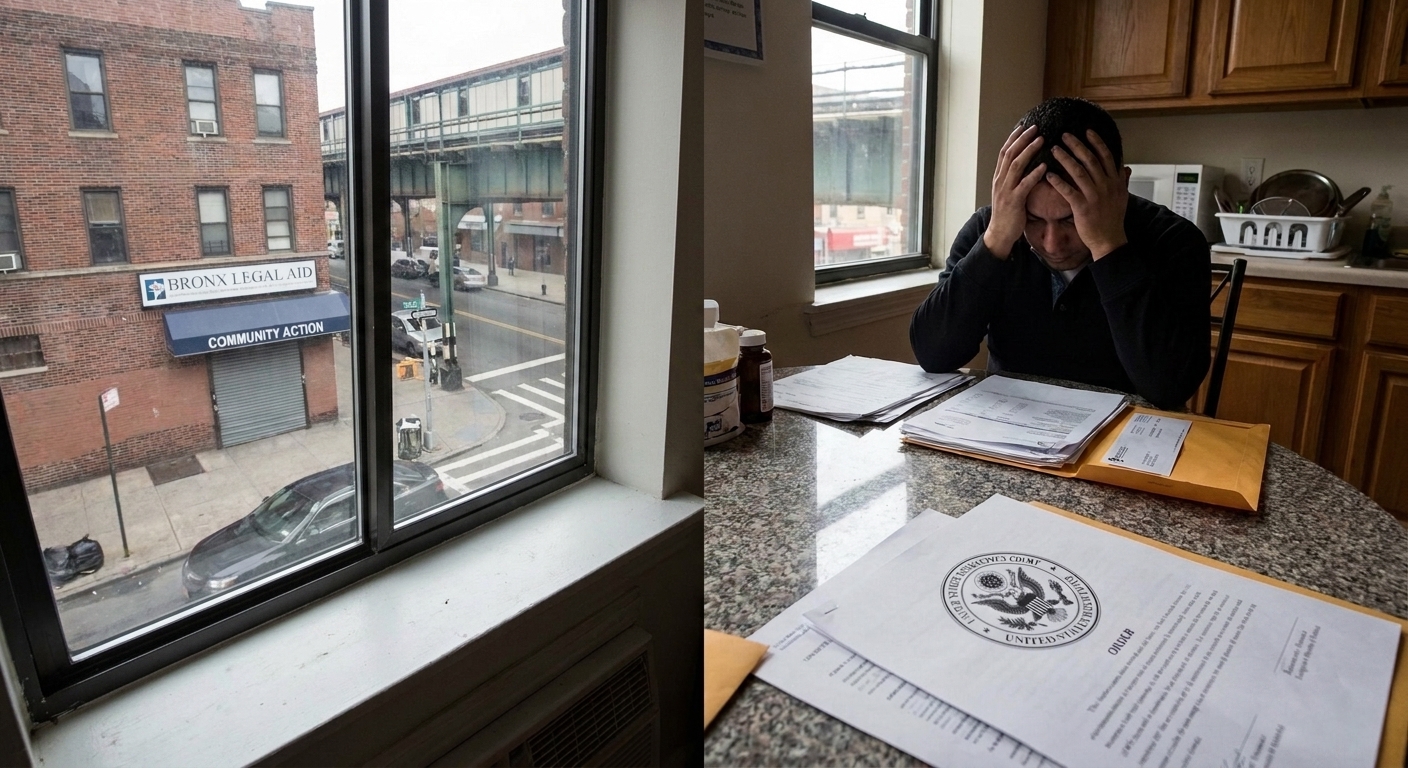
The IRS and creditors alike can garnish wages if they've got the legal paperwork. But the moment you file bankruptcy, that stops. It's called the automatic stay, and it's one of the most powerful protections built into federal bankruptcy law. If you've been avoiding the conversation because you think bankruptcy is too drastic or too complicated, you're bleeding money while you wait. So let's break down exactly how this works and what it means for your paycheck.
What Wage Garnishment Actually Does
Garnishment is legal theft with a court order behind it. A creditor sues you, wins a judgment, and then goes after your employer. Your boss doesn't have a choice — they're required to withhold part of your paycheck and send it to the creditor. In New York, that can be up to 10% of your gross income or 25% of your disposable earnings, whichever leaves you with less damage. Either way, it's gone before you ever see it.
This isn't a negotiation. It's not a payment plan you agreed to. It's a court-ordered deduction that keeps going until the debt is satisfied or you do something to stop it. And for a lot of Bronx families already stretched thin, losing even 10% of a paycheck can mean choosing between rent and groceries. That's where bankruptcy in the Bronx comes in — not as a last resort, but as a strategic move to regain control.
The Automatic Stay Shuts It Down
When you file bankruptcy in the Bronx — whether Chapter 7 or Chapter 13 — the court issues an automatic stay. It's immediate. It's enforceable. And it tells creditors to back off. That includes wage garnishment. Your employer gets notified by the court, and the withholding stops. No waiting period. No appeals process. Done.
This isn't just a pause button. It's a full stop on most collection activity. Creditors can't call you. They can't sue you. They can't pull money from your paycheck. The automatic stay gives you the breathing room to figure out your next move without watching your income disappear every two weeks. And if the garnishment was eating into money you needed for rent, utilities, or food, that relief is instant.
Chapter 7 Wipes Out the Debt Behind the Garnishment
Chapter 7 bankruptcy is liquidation. It eliminates unsecured debts like credit cards, medical bills, and personal loans. If your wage garnishment is tied to one of those debts, filing Chapter 7 doesn't just stop the garnishment — it kills the debt entirely. Once the discharge comes through, that creditor has no claim on you anymore. The garnishment can't restart because there's nothing left to collect.
Most people in the Bronx who qualify for Chapter 7 can complete the process in a few months. The automatic stay kicks in on day one. The discharge follows soon after, assuming you meet the criteria and your case moves smoothly. But not all debts are dischargeable, and that matters when it comes to garnishment.
- Credit card debt and medical bills are typically wiped out completely
- Personal loans and old utility bills usually qualify for discharge
- Unsecured business debts can be eliminated if you're personally liable
- Payday loans and collection agency debts often disappear in Chapter 7
- Private student loans may be dischargeable in rare cases with an adversary proceeding
Chapter 13 Reorganizes What You Owe
Chapter 13 bankruptcy doesn't wipe the slate clean. It restructures it. You propose a repayment plan that lasts three to five years, and the court approves it if it's fair and feasible. During that time, the automatic stay protects you from garnishment. You make one monthly payment to the bankruptcy trustee, and they distribute it to your creditors according to the plan.
This option works well if you're behind on a mortgage or car loan and need time to catch up. It also handles debts that can't be discharged in Chapter 7, like tax debt or domestic support obligations. The garnishment stops, and you get a clear path forward. But you have to stick to the plan. Miss payments, and the protection can disappear.
- Mortgage arrears can be rolled into the repayment plan without losing your home
- Car loans can be restructured, sometimes at lower interest rates
- Tax debts get addressed over time instead of hitting you all at once
- Priority debts like child support stay in the plan but garnishment stops during the case
- Unsecured creditors often get only a fraction of what they're owed
When the Automatic Stay Doesn't Apply
The automatic stay is powerful, but it's not absolute. Certain types of garnishment keep going even after you file. Child support and alimony are the big ones. The court won't stop those. Domestic support obligations are considered priority debts, and the government wants them paid. If your wages are being garnished for child support, bankruptcy won't end that withholding.
Student loans are another gray area. Federal student loans can sometimes be put on hold during bankruptcy, but private loans depend on the servicer and the terms. And if you've filed bankruptcy multiple times in the past year, the automatic stay might not go into effect at all — or it might only last 30 days unless you get an extension from the court. Repeat filings raise red flags, and judges won't let people abuse the system.
- Child support garnishments continue regardless of bankruptcy filing
- Alimony withholding is not stopped by the automatic stay
- Some tax debts may still allow garnishment if they're recent or fall outside discharge rules
- Criminal fines and restitution orders are not affected by bankruptcy
- Student loan garnishments may pause temporarily but aren't always halted permanently
Documentation Matters Just as Much Here
Filing bankruptcy in the Bronx means paperwork. Lots of it. You'll need proof of income, a list of all your debts, copies of any garnishment orders, and documentation of your living expenses. The court wants to see that you're filing in good faith and that the numbers add up. If you can't prove your income or document your debts, your case can get delayed or dismissed.
And if the garnishment was for a debt you didn't list in your bankruptcy filing, the automatic stay won't protect you from it. Every creditor needs to be included. Every garnishment needs to be disclosed. Miss one, and you're still on the hook. This is where working with a bankruptcy attorney in the Bronx makes a difference. They'll make sure nothing falls through the cracks.
- Pay stubs from the last six months to prove income
- Copies of garnishment orders and court judgments
- Bank statements showing where your money goes
- A complete list of creditors with account numbers and balances
- Tax returns from the past two years
What Happens After the Case Closes
If your Chapter 7 case goes through and your debts are discharged, the garnishment is over for good. The creditor has no claim, and your employer has no reason to withhold anything. If you filed Chapter 13 and completed your repayment plan, the same thing happens — discharge comes, and the garnishment ends. But if your case gets dismissed, everything restarts. The automatic stay lifts, and creditors can pick up right where they left off.
That's why completing the process matters. Filing bankruptcy stops the garnishment, but only a successful case keeps it stopped. And if you've got debts that weren't discharged — like certain taxes or student loans — those creditors can come back and garnish again once the case is closed. Bankruptcy isn't a magic eraser. It's a legal tool, and it works best when it's used correctly.
Stop Watching Your Paycheck Disappear
Wage garnishment in the Bronx doesn't have to be permanent. Bankruptcy can stop it, eliminate the debt behind it, and give you a clear path to financial stability. Whether you file Chapter 7 or Chapter 13, the automatic stay kicks in immediately and puts a hard stop on most garnishments. But the details matter — what kind of debt you owe, whether you've filed before, and how you handle the process from start to finish.
If you're serious about ending wage garnishment and taking back control of your paycheck, talk to a Bronx bankruptcy attorney. They'll walk you through your options, file the paperwork correctly, and make sure the automatic stay does what it's supposed to do. You've already lost enough money. Don't lose more by waiting.
Let’s Take the First Step Together
We know how overwhelming wage garnishment can feel, but you don’t have to face it alone. Let’s work together to protect your income and put you back in control of your finances. If you’re ready to talk through your options, call us at 718-819-1728 or schedule a free consultation and let’s start building your fresh start today.
‹ Back
Recent Posts
-
Sponsoring a Family Member for Immigration from the Bronx
September 10, 2026
-
Do You Need a Lawyer to File a Will in the Bronx?
August 20, 2026
-

Getting Divorced in the Bronx While Living Together
August 13, 2026
-
-