



By using our website, you agree to the use of cookies as described in our Cookie Policy
Can You Bring Your Spouse to the U.S. While Living in the Bronx?
Living in the Bronx means you're already part of one of the most diverse immigrant communities in the country. You know what it's like to balance opportunity with complexity. And if you're trying to bring your spouse to the U.S., you're navigating one of the most personal — and most bureaucratic — processes the federal government offers. It's doable. But it requires precision, patience, and a clear understanding of what USCIS actually expects.
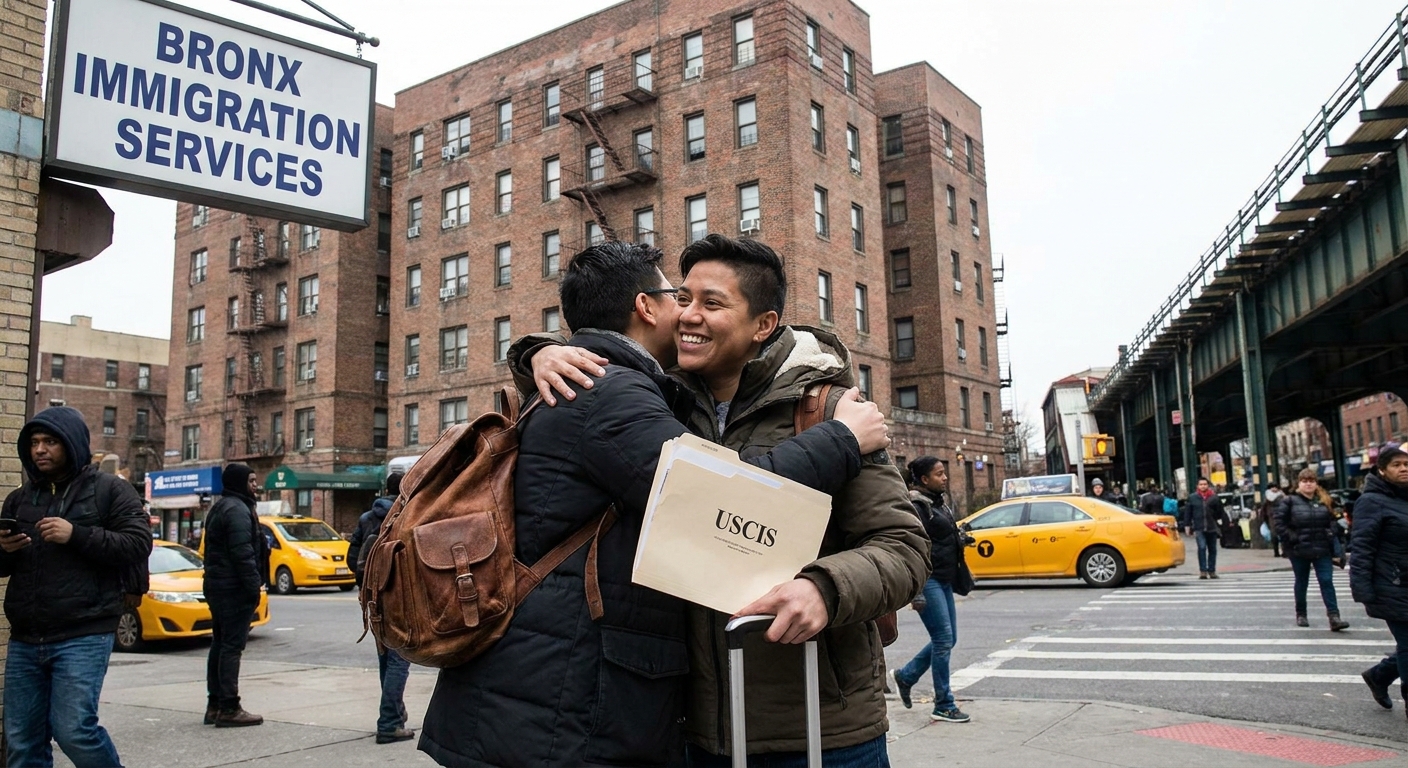
Your immigration status determines everything. If you're a U.S. citizen, the path is faster and more direct. If you're a green card holder, you're still eligible — but the timeline stretches longer due to visa caps. Either way, the Bronx doesn't change the law. What it does give you is proximity to resources, immigration attorneys who've seen every scenario, and a borough that understands what it means to build a life from scratch.
Your Status Shapes the Timeline
U.S. citizens can sponsor their spouses without waiting for a visa to become available. The petition gets approved, the case moves to the National Visa Center, and your spouse either adjusts status in the U.S. or interviews abroad. Green card holders face the same process — but with one major difference. Visa availability isn't immediate. There's a queue. And depending on where your spouse is from, that wait can stretch months or even years.
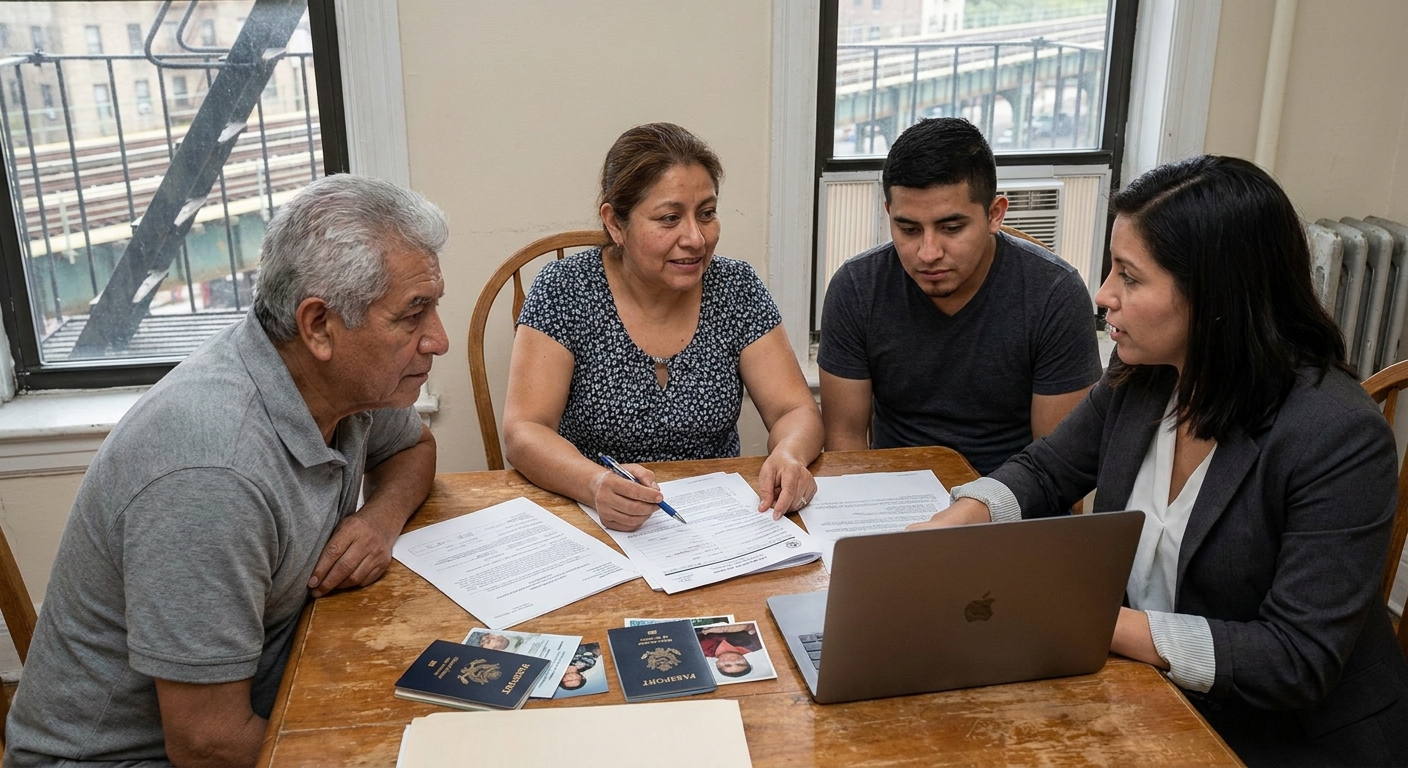
Either way, you'll start by filing Form I-130. That's the petition that proves your marriage is real and that you have the legal standing to sponsor your spouse. USCIS doesn't take your word for it. They want proof. Marriage certificates, joint tax returns, lease agreements, photos, affidavits from people who know you both. The stronger your evidence, the cleaner your approval.
What the Petition Actually Requires
Form I-130 isn't complicated, but it's unforgiving. A missing signature or inconsistent date can delay processing by weeks. You'll need to submit documentation that proves both the validity of your marriage and your ability to financially support your spouse once they arrive. That means recent tax returns, pay stubs, and possibly a joint sponsor if your income doesn't meet the threshold.
Here's what goes into a strong I-130 package:
- Certified marriage certificate from the issuing authority
- Passport-style photos of both spouses
- Proof of termination of any prior marriages (divorce decrees, death certificates)
- Evidence of ongoing relationship (joint accounts, shared bills, communication records)
- Affidavit of Support (Form I-864) showing financial ability to support your spouse
Consular Processing vs Adjustment of Status
If your spouse is outside the U.S., they'll go through consular processing. That means once USCIS approves your I-130, the case transfers to the National Visa Center, then to a U.S. embassy or consulate abroad. Your spouse attends an interview, undergoes a medical exam, and — if approved — receives an immigrant visa to enter the country. Once they arrive, their green card gets mailed within weeks.
If your spouse is already in the U.S. on a valid visa, they may qualify to adjust status without leaving. That's Form I-485. It's faster in some ways, but it comes with restrictions. Your spouse can't leave the country until they receive advance parole, and they can't work until they get an employment authorization document. Timing matters. So does making sure they didn't overstay or violate the terms of their entry.
When the Government Pushes Back
USCIS scrutinizes spousal petitions more than almost any other category. They're looking for fraud. Marriage fraud is a federal crime, and the agency knows it happens. If your relationship looks questionable on paper — short courtship, large age gap, inconsistent stories — expect a Request for Evidence or even an in-person interview.
Here's what raises red flags:
- Minimal evidence of cohabitation or shared finances
- Inconsistent timelines or answers during interviews
- Prior immigration violations by either spouse
- Marriage occurring shortly after a visa denial or deportation order
- Lack of photos, communication records, or witnesses to the relationship
The Bronx Advantage
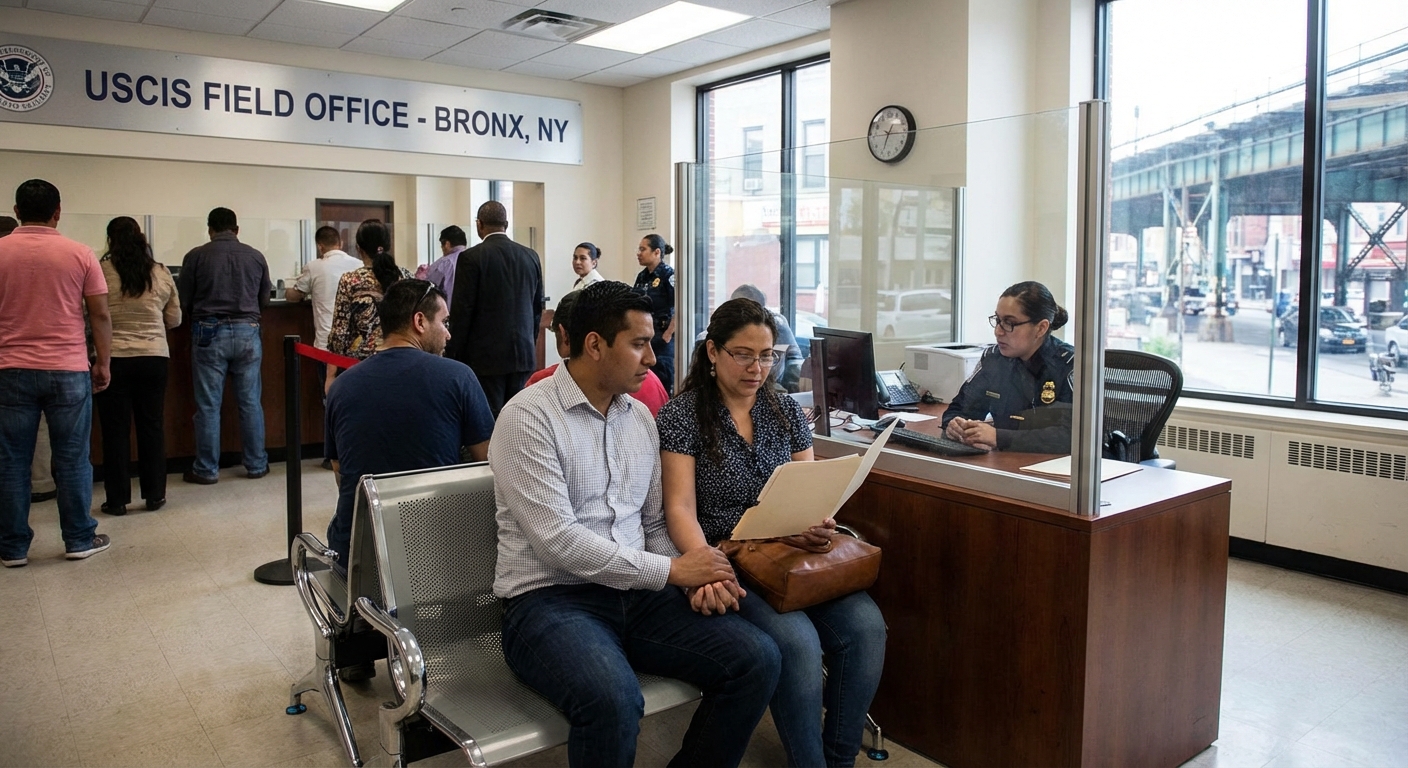
Living in the Bronx puts you minutes from some of the best immigration attorneys in the country. You've got nonprofit legal clinics, community organizations with multilingual staff, and a USCIS field office in lower Manhattan. That proximity matters when you need to submit documents in person, attend biometrics appointments, or follow up on a delayed case.
The borough also has a deep bench of people who've been through this exact process. Whether it's a neighbor, coworker, or someone at your local community center, chances are high you know someone who's navigated family sponsorships. That kind of informal knowledge can save you time and money — especially when it comes to avoiding common mistakes or knowing which attorneys actually deliver.
What Happens After Approval
Once your spouse arrives in the U.S. and receives their green card, they're a lawful permanent resident. They can work, travel, and live anywhere in the country. They're also on a path to citizenship if they choose to pursue it. After three years of marriage to a U.S. citizen — or five years as a green card holder — they can apply for naturalization.
In the meantime, there are responsibilities. Your spouse needs to maintain their green card status by not abandoning residency, staying out of legal trouble, and filing taxes. If they leave the U.S. for extended periods without a reentry permit, they risk losing their status. And if the marriage ends in divorce within two years, they may need to file a waiver to remove the conditional status on their green card.
Common Pitfalls That Sink Applications
Most denials come down to incomplete evidence or procedural errors. Filing the wrong form, missing a deadline, or submitting documents in the wrong language can all tank an otherwise solid case. So can failing to disclose prior immigration violations, criminal history, or past marriages.
Here's where applicants commonly trip up:
- Not translating foreign documents with certified translations
- Submitting photocopies instead of originals or certified copies
- Missing the deadline to respond to a Request for Evidence
- Failing to update USCIS when changing addresses
- Providing inconsistent information across forms or interviews
When to Bring in a Pro
If your case is straightforward — first marriage for both, no immigration violations, strong evidence — you might handle it yourself. But if there's any complexity, hiring an immigration attorney is worth the cost. That includes situations where your spouse overstayed a visa, has a criminal record, or was previously deported. It also applies if you've been denied before or if USCIS has flagged your case for additional review.
A good attorney does more than fill out forms. They know how to frame your evidence, respond to RFEs, and prepare you for interviews. They also understand how local USCIS offices operate and what examiners in your jurisdiction tend to scrutinize. In the Bronx, where immigration is a lived reality for so many families, that kind of expertise is everywhere — you just need to find someone who's seen cases like yours and won.
Building a Life Worth the Wait
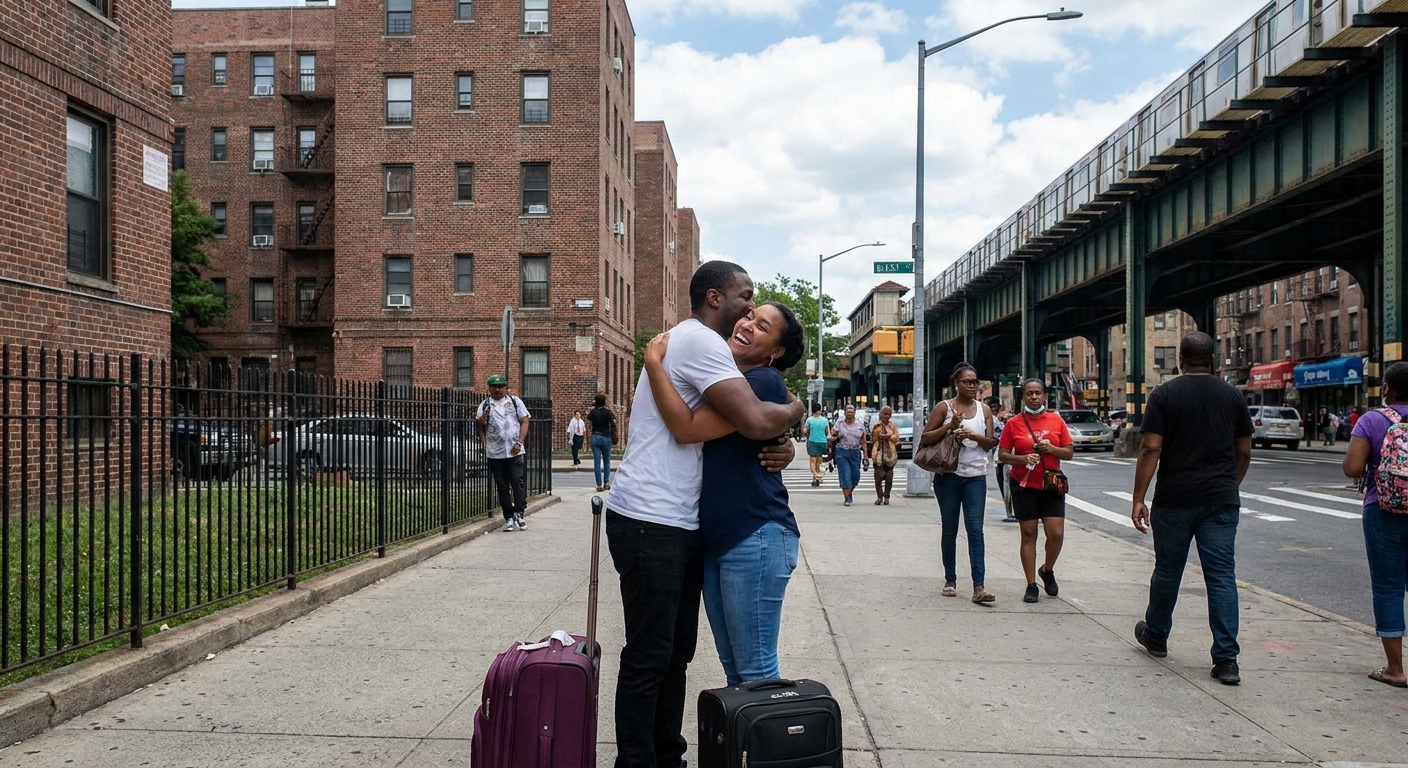
Reuniting with your spouse isn't a quick process. It's measured in months, sometimes years. But the outcome is a life together in one of the most dynamic cities in the world. The Bronx offers affordability, culture, and a support system built by generations of immigrants who arrived with nothing and built everything. Your spouse will be next in that line.
The paperwork is tedious. The waiting is frustrating. But if you document thoroughly, follow the process exactly, and get help when you need it, you'll get through it. And when your spouse finally steps off that plane at JFK or crosses the threshold of your Bronx apartment, you'll know it was worth every form, every fee, and every sleepless night wondering if you got it right.
Let’s Take the Next Step Together
Bringing your spouse to the U.S. is a journey that’s both emotional and complex, but you don’t have to navigate it alone. We’re here to help you cut through the red tape and reunite your family in the Bronx. If you’re ready to move forward or just want to talk through your options, call us at 718-819-1728 or schedule a free consultation so we can help you start this new chapter with confidence.
‹ Back
Recent Posts
-
Sponsoring a Family Member for Immigration from the Bronx
September 10, 2026
-
Do You Need a Lawyer to File a Will in the Bronx?
August 20, 2026
-
Getting Divorced in the Bronx While Living Together
August 13, 2026
-
-