


By using our website, you agree to the use of cookies as described in our Cookie Policy
Can You Change Your Immigration Status While Living in the Bronx?
Most immigrants think status adjustment is just about filling out forms. Submit the paperwork, wait for approval, done. But USCIS sees more than that — and if you don't, you're setting yourself up for denial. Your current status may not define your future, but it does leave marks on every application you file. Especially if you've overstayed, missed deadlines, or mixed up your eligibility categories.
So here's the reality. If you're living in the Bronx and looking to shift your legal standing, that's possible. Just don't treat the process like a rubber stamp. Every form should have evidence behind it. Every petition needs consistency. And every immigration decision should be grounded in what you actually qualify for — not just what you hope will slide through.
When You Can Adjust and When You Cannot
Most of the time, changing status while in the U.S. is allowed. You entered legally, you maintained your terms — that's adjustment of status, not a violation. USCIS doesn't care where you live in New York, only whether you followed the rules and whether you have a valid pathway forward.
But if you entered without inspection? Different game. Unlawful presence can close doors fast, especially if you're trying to adjust through family sponsorship or employment. We saw this hit immigrants hard when public charge rules tightened. Plenty of people thought their relative's sponsorship was enough — it wasn't. And when USCIS flags your entry method or overstay, they expect to see waivers or exceptions unless you meet narrow criteria like asylum or VAWA protection.
The Pathways You Can Actually Use
You can't just pick a status and apply — you need a qualifying basis. But the options? Those are real if you know where you stand. USCIS generally allows adjustment when there's a legitimate sponsor, employer, or protection claim backing your case.
Here's where that opens up:
- Family sponsorship through immediate relatives like spouses, parents, or adult children who are citizens
- Employment-based petitions if your job qualifies under preference categories and your employer will sponsor
- Asylum status for those facing persecution, which can lead to a green card after one year
- Special programs like U visas for crime victims or T visas for trafficking survivors
- Diversity visa winners who were selected through the lottery and meet all qualifications
When Eligibility Falls Apart
Want to file for adjustment? You'll need to prove you qualify under current law — and that nothing in your record disqualifies you outright.
USCIS has three hard stops they check first. You must have entered lawfully or fall under an exception. You must not have committed disqualifying criminal offenses. And you must show you won't become a public charge if that rule applies to your category.
Miss one of those, and your application dies before it gets reviewed. Even if you have a sponsor lined up and documents ready. And if any part of your history involves fraud or misrepresentation? That portion torpedoes the whole case. No partial approvals for filing under the wrong category, even if your lawyer said it was worth a shot.
USCIS Processing Has Delays and Bronx Residents Feel Them
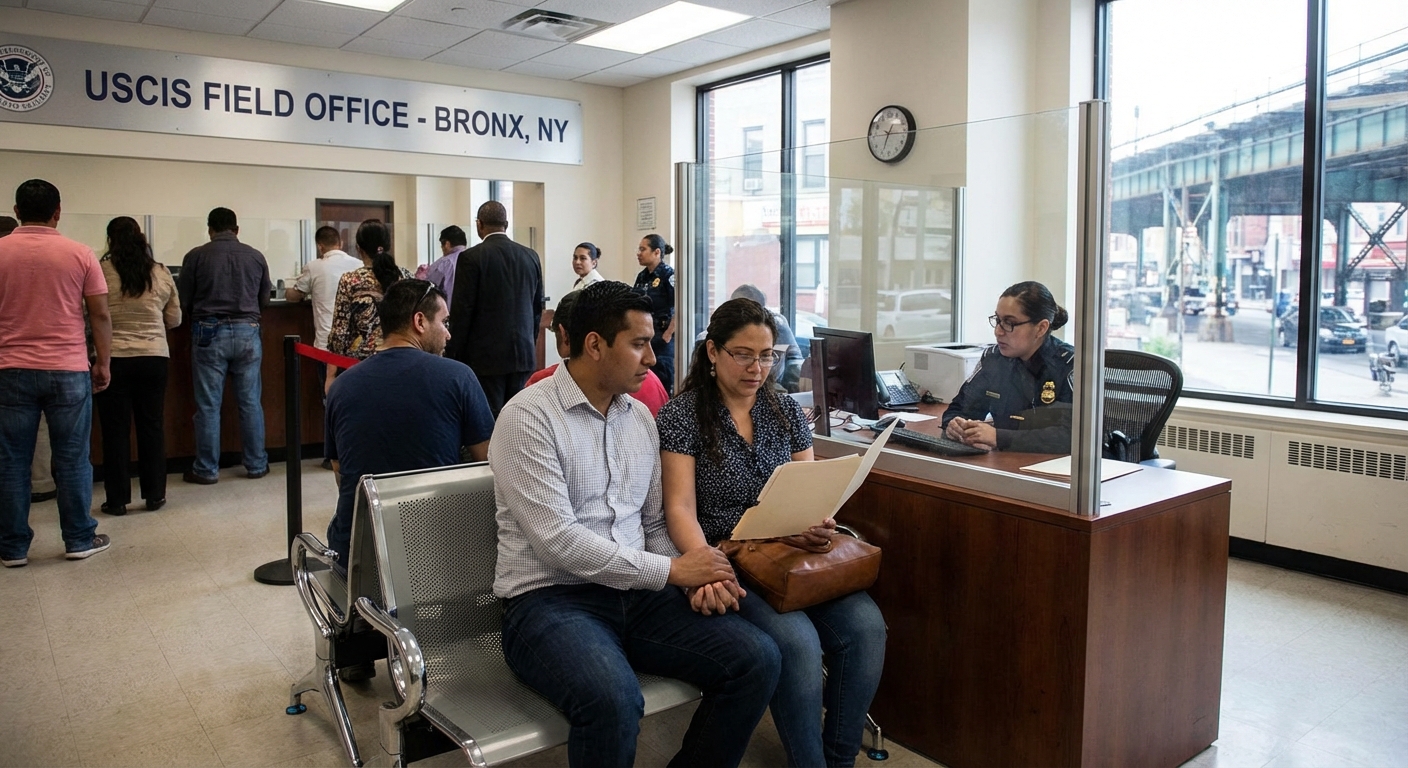
If you're adjusting status through the New York field office, expect longer waits than the posted estimates. Backlogs stretch interview dates out by months, sometimes over a year depending on your category and priority date.
You'll need to track your case online and stay ready for sudden requests. Most Bronx applicants won't see instant approvals — but those who file clean cases with strong evidence move faster. Especially if they respond quickly to Requests for Evidence or schedule changes.
Your Case Is Only As Strong As Your Documentation
Want approval? Show your work. You'll need more than a birth certificate and passport to back up your petition.
Here's what your application file should contain:
- Valid passport and entry documents proving lawful admission
- Proof of relationship or employment eligibility depending on your category
- Financial evidence like tax returns, pay stubs, or affidavits of support
- Medical exam results from a USCIS-approved civil surgeon
- Police clearances if you've lived in multiple countries or states
If USCIS requests more proof, they won't just take your explanation. Mixing personal documents with someone else's or submitting expired evidence is one of the fastest ways to get denied. So if that affidavit of support lists income from a sponsor who no longer qualifies, you'd better have a backup ready before the interview.
Where Most Applicants Stumble
Assuming Any Sponsor Will Work
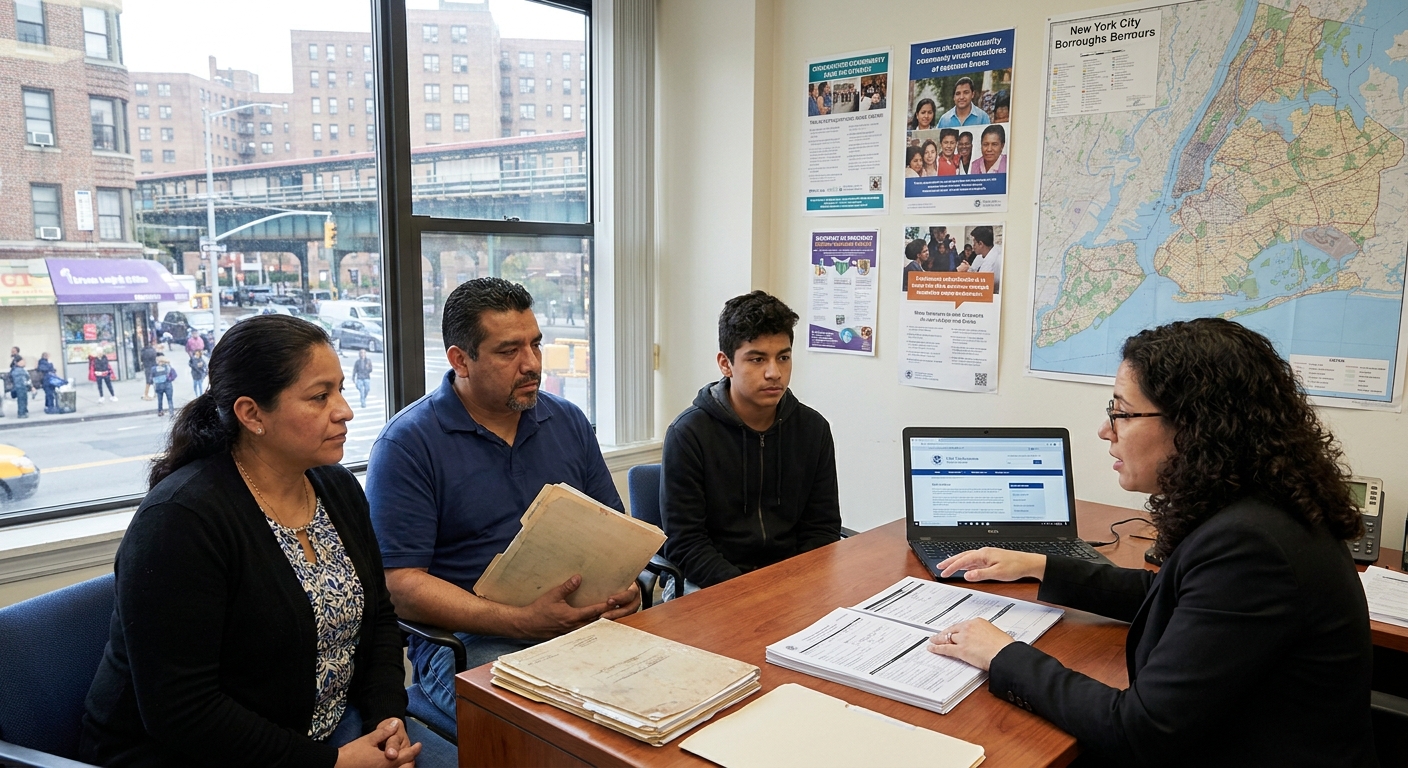
Trying to use a friend or distant relative as a petitioner when the law requires immediate family? USCIS won't overlook that. Mismatched sponsorship is a red flag that can tank your case or even raise fraud concerns. Most successful applicants stay sharp by using qualified legal help or sticking to clear eligibility rules — and plenty keep their cases clean by following guidance from trusted immigrant advocacy groups.
Forgetting to Track Status Expiration
Don't wait until you're out of status to file. If you miss your window, you're giving up options. If you overstay and then try to adjust, you risk bars that lock you out for years. Check your I-94 regularly. It's simple. It matters.
Messing Up Work Authorization Timing
If you're adjusting status and need to work, file Form I-765 early. Missing that deadline means gaps in employment that hurt your financial standing. And if you work without authorization while your case is pending, that's a violation USCIS will catch. Reference the USCIS Policy Manual and don't guess. That's what immigration attorneys handle every day.
Common Questions Bronx Immigrants Ask
Can I adjust if I entered without inspection?
In most cases, no. Adjustment of status requires lawful entry unless you qualify for a rare exception like asylum, VAWA, or certain family-based waivers. Consult an attorney if you're unsure — this is high-stakes territory.
How long does adjustment take in New York?
Depends on your category. Family-based cases average 12 to 24 months. Employment-based can be faster or slower depending on priority dates. Asylum-based adjustment moves quicker once asylum is granted. USCIS processing times vary, so check their website for current estimates.
Do I need a lawyer to change status?
Not legally required, but highly recommended. Immigration law is dense and one mistake can cost you years or permanent bars. A qualified attorney helps you avoid errors, meet deadlines, and respond to USCIS requests correctly.
When to Bring in Legal Help
If your case involves prior removals, criminal history, or unclear entry records, DIY becomes dangerous. A legal pro helps you identify which status you qualify for and which you don't. They apply waivers correctly if you need them. They separate valid evidence from wishful thinking. They handle RFEs and interview prep. And they keep USCIS from tripping you up on technicalities.
It's not just about getting approved this year. It's about building a clean immigration history that protects your future and keeps you on solid legal ground. If you're looking at how others navigated tough cases, community legal clinics and nonprofit immigration services in the Bronx offer insight into what actually works when you use the system strategically.
Status Changes Start With Clear Qualification
Living in the Bronx doesn't limit your ability to adjust — but it also doesn't create shortcuts. The process is the same whether you're in Fordham, Belmont, or Riverdale. What matters is whether you meet the legal requirements and whether your documentation proves it. There's no excuse for filing blind when the pathways are there if you qualify. But there's also no forgiveness when you skip steps or ignore the rules.
Getting legal status isn't the hard part. Proving you deserve it — and defending that proof when USCIS reviews your file — that's where applicants get stuck. If you're planning your next move, start with honest eligibility assessment and real legal guidance, not just hope and paperwork. The Bronx has resources, attorneys, and organizations ready to help — use them before you file, not after you're denied.
Let’s Take the Next Step Together
Changing your immigration status is a journey best taken with the right support. We know the Bronx community and the challenges you face, and we’re here to help you move forward with confidence. If you’re ready to talk through your options or want a professional review of your case, give us a call at 718-819-1728 or schedule a free consultation so we can guide you every step of the way.
‹ Back
Recent Posts
-
Sponsoring a Family Member for Immigration from the Bronx
September 10, 2026
-
Do You Need a Lawyer to File a Will in the Bronx?
August 20, 2026
-
Getting Divorced in the Bronx While Living Together
August 13, 2026
-
-