



By using our website, you agree to the use of cookies as described in our Cookie Policy
Is Chapter 7 Bankruptcy the Fresh Start You Need in the Bronx?
Debt doesn't care about your intentions. It doesn't matter if you meant to pay everything back, if medical bills blindsided you, or if the business you built fell apart. When you're buried under obligations you can't meet, the IRS, creditors, and collectors don't grade on effort. They want payment. And if you can't deliver, they'll come for what's left.
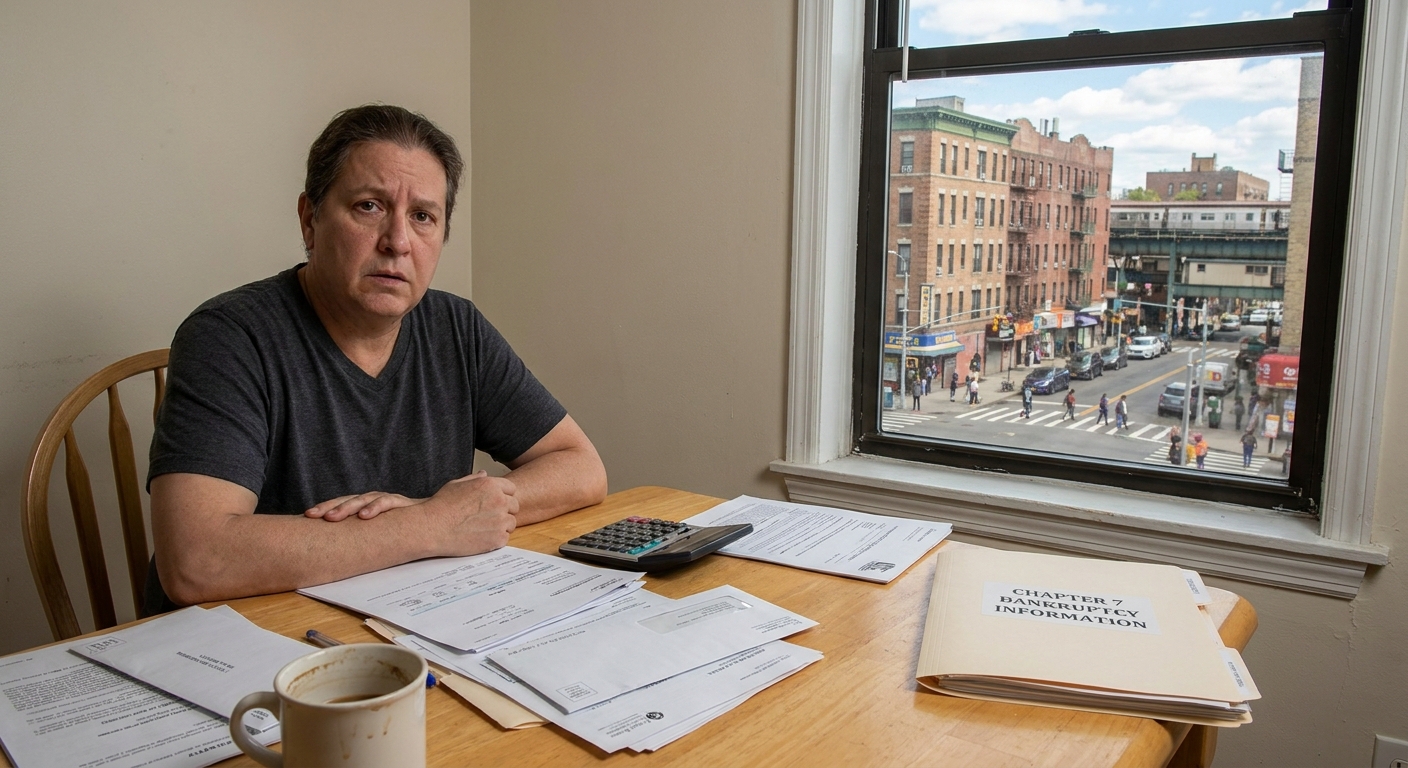
Chapter 7 bankruptcy exists for moments like this. It's not a moral failing — it's a legal tool designed to stop the bleeding and give you room to rebuild. But it's also not a blank slate with zero consequences. If you're weighing whether to file in the Bronx, you need to understand what you're signing up for, what you're giving up, and what actually changes when the dust settles.
Liquidation Bankruptcy Explained Without the Jargon
Chapter 7 wipes out most unsecured debts. That means credit cards, medical bills, personal loans — the kind of obligations that don't have collateral tied to them. Once you file, a trustee steps in to review your finances. If you've got assets that aren't protected under state or federal exemptions, they can be sold off to pay creditors. But here's the thing most people miss: New York's exemption laws are generous enough that many filers walk away with everything they own intact.
The entire process moves fast. You file a petition, an automatic stay kicks in to freeze collection actions, and within a few months, eligible debts get discharged. No drawn-out repayment plans. No years of budgeting around what you owe. Just a clean break — assuming you qualify and follow the rules.
Why People in the Bronx File Chapter 7
Most filers aren't looking for shortcuts. They're looking for survival. When wage garnishments drain your paycheck, when creditors call nonstop, when you're one lawsuit away from losing everything — that's when bankruptcy protection makes sense.
Here's what it delivers:
- Instant protection from creditors through the automatic stay, halting garnishments, lawsuits, and harassment the moment you file
- Elimination of unsecured debt like credit cards and medical bills, clearing obligations that have no path to repayment
- A fast timeline, with most cases wrapping up in three to six months instead of dragging on for years
- Asset protection through exemptions, allowing you to keep your home, car, clothing, and retirement accounts in most situations
- No repayment obligations, meaning once debts are discharged, you're done — no monthly trustee payments or extended plans
The Downsides You Can't Ignore
Chapter 7 solves problems, but it creates others. Your credit report will carry the bankruptcy flag for up to a decade. That's not a rumor or a scare tactic — it's a fact that will follow you when you apply for loans, try to rent an apartment, or even look for certain jobs.
If you own property that falls outside exemption limits, the trustee can sell it. That could mean collectibles, second homes, or business assets. And not all debts disappear. Student loans, child support, alimony, and most tax obligations stick around no matter what. If those make up the bulk of what you owe, bankruptcy won't solve your problem.
- Credit damage lasting up to 10 years on your report, affecting loan approvals and interest rates
- Possible loss of non-exempt assets if you own valuable property beyond what state or federal law protects
- Non-dischargeable debts like student loans, child support, and most tax obligations remain your responsibility
- Income restrictions via the means test, which can disqualify you if your earnings exceed New York's median income
Who Actually Qualifies
Wanting relief doesn't mean you'll get it. The means test compares your income to the median for New York households. If you're above that line, the court may decide you have enough resources to repay creditors under Chapter 13 instead. That's a different process entirely, with a multi-year repayment plan instead of a quick discharge.
You'll also need to prove you're not gaming the system. That means showing legitimate financial hardship, providing accurate documentation, and demonstrating that you're not trying to hide assets or abuse the process. The court and trustee will dig into your finances. If something doesn't add up, your case can be dismissed or converted.
What Documentation You'll Need
Filing bankruptcy isn't a one-form process. You'll need a full financial picture, backed by hard proof. The court won't just take your word for it. They want bank statements, tax returns, pay stubs, loan agreements, and a complete list of assets and liabilities.
Here's what you should gather:
- Recent tax returns, typically the last two years, showing income and deductions
- Pay stubs covering the past six months to verify current earnings
- Bank statements from all accounts, including checking, savings, and any investment accounts
- A detailed list of debts with creditor names, account numbers, and balances
- Property records for real estate, vehicles, and other major assets
Where Most Filers Mess Up
Mistakes in bankruptcy cases aren't just embarrassing — they're costly. Hiding assets, even accidentally, can get your case tossed or lead to fraud charges. Forgetting to list a creditor means that debt might not get discharged. And if you rack up new debt right before filing, the court may assume you never intended to pay it back.
Another common trap: mixing personal and business finances. If you've used business credit cards for personal expenses or vice versa, untangling that mess takes time and documentation. The court needs clarity. If they don't get it, your case stalls.
- Failing to disclose all assets, which can result in dismissal or fraud allegations
- Omitting creditors from your filing, leaving those debts potentially undischarged
- Taking on new debt shortly before filing, raising red flags about intent to repay
- Blurring lines between personal and business accounts, complicating the trustee's review
When You Need Legal Help
You can file Chapter 7 on your own, but that doesn't mean you should. Bankruptcy law is dense, and the forms are unforgiving. One mistake can delay your case or cost you protections you're entitled to. An experienced attorney helps you navigate exemptions, complete paperwork correctly, and represent you at the creditors' meeting.
They also spot issues before they become problems. Maybe you're better off waiting a few months to file. Maybe you qualify for exemptions you didn't know existed. Maybe Chapter 13 actually makes more sense for your situation. A good attorney doesn't just file paperwork — they build a strategy that protects your interests and sets you up for the best possible outcome.
Rebuilding After the Discharge
Getting debts wiped out doesn't automatically fix your finances. It clears the path, but you still have to walk it. That means rebuilding credit, managing cash flow, and avoiding the same traps that buried you in the first place.
Start small. Get a secured credit card, make on-time payments, and keep balances low. Track every dollar. Build an emergency fund so the next medical bill or car repair doesn't send you spiraling again. Credit repair gives you a second chance, but only if you use it.
- Secured credit cards to begin rebuilding credit history with manageable limits
- On-time payments across all obligations, no matter how small
- Emergency savings to cushion against unexpected expenses
- Budget discipline to prevent falling back into unsustainable debt patterns
- Regular credit monitoring to track progress and catch errors early
Making the Call
Chapter 7 bankruptcy isn't a decision you make lightly, but it's also not the catastrophe some people fear. It's a legal mechanism with real consequences and real benefits. If your debt load has no realistic path to repayment, if creditors are closing in, if you're protecting what little you have left — filing might be the smartest financial move you can make. But if you've got assets at risk, income that disqualifies you, or debts that won't go away, you need to know that before you file. Talk to a Bronx bankruptcy attorney who understands the local courts, the exemptions, and the process. Get clarity before you commit.
Let’s Take the Next Step Together
We know how overwhelming it can feel to face debt and uncertainty, but you don’t have to navigate bankruptcy alone. Let’s talk through your options and build a plan that puts you back in control of your finances. Call us at 718-819-1728 or schedule a free consultation—we’re ready to help you move forward with confidence.

‹ Back
Recent Posts
-

Sponsoring a Family Member for Immigration from the Bronx
September 10, 2026
-
Do You Need a Lawyer to File a Will in the Bronx?
August 20, 2026
-

Getting Divorced in the Bronx While Living Together
August 13, 2026
-
-