



By using our website, you agree to the use of cookies as described in our Cookie Policy
What Should You Review Before a Real Estate Closing in the Bronx?
Most buyers think closings are just about signatures and handshakes. Show up, sign papers, get keys. But the reality is messier — and if you're not paying attention, you're setting yourself up for problems that could've been caught a week earlier. A real estate closing in the Bronx isn't a formality. It's the last line of defense between you and a bad deal.
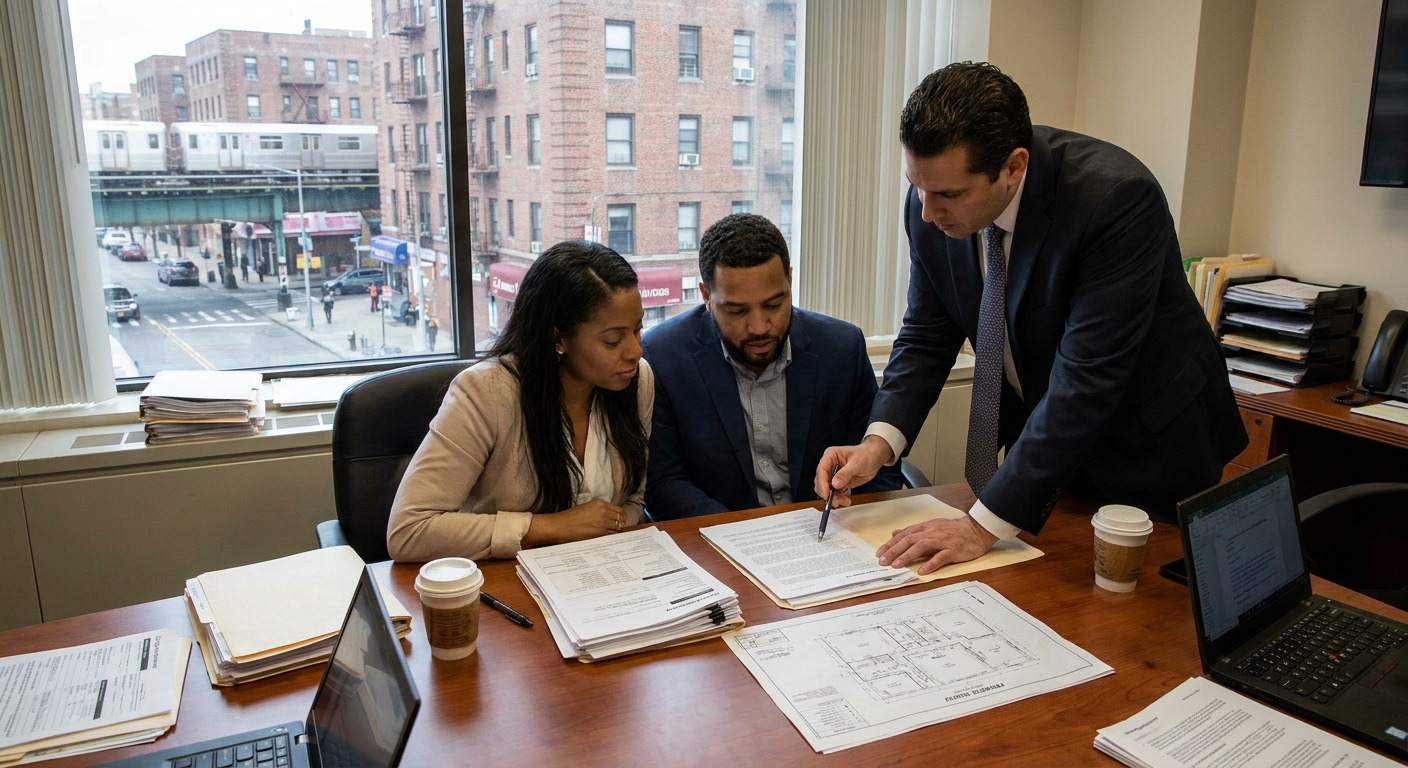
So here's what matters. If you're buying property to build equity or secure a foothold in one of the city's most dynamic boroughs, that's smart. Just don't walk into closing blind. Every document should be reviewed. Every number needs to match. And every decision should be grounded in what the paperwork actually says — not what someone told you it would say.
The Disclosure Tells You What You're Actually Paying
Three days before closing, you'll get your Closing Disclosure. This isn't a courtesy — it's federal law. And it's your chance to see if the numbers shifted since your initial estimate. Interest rate, loan amount, monthly payment, closing costs — all of it should line up with what you agreed to when you applied.
But lenders make changes. Fees get added. Escrow calculations shift. If something looks different, ask why. Don't assume it's normal. And don't wait until you're sitting at the table to flag it. By then, you've lost leverage.
Clear Title Isn't Negotiable
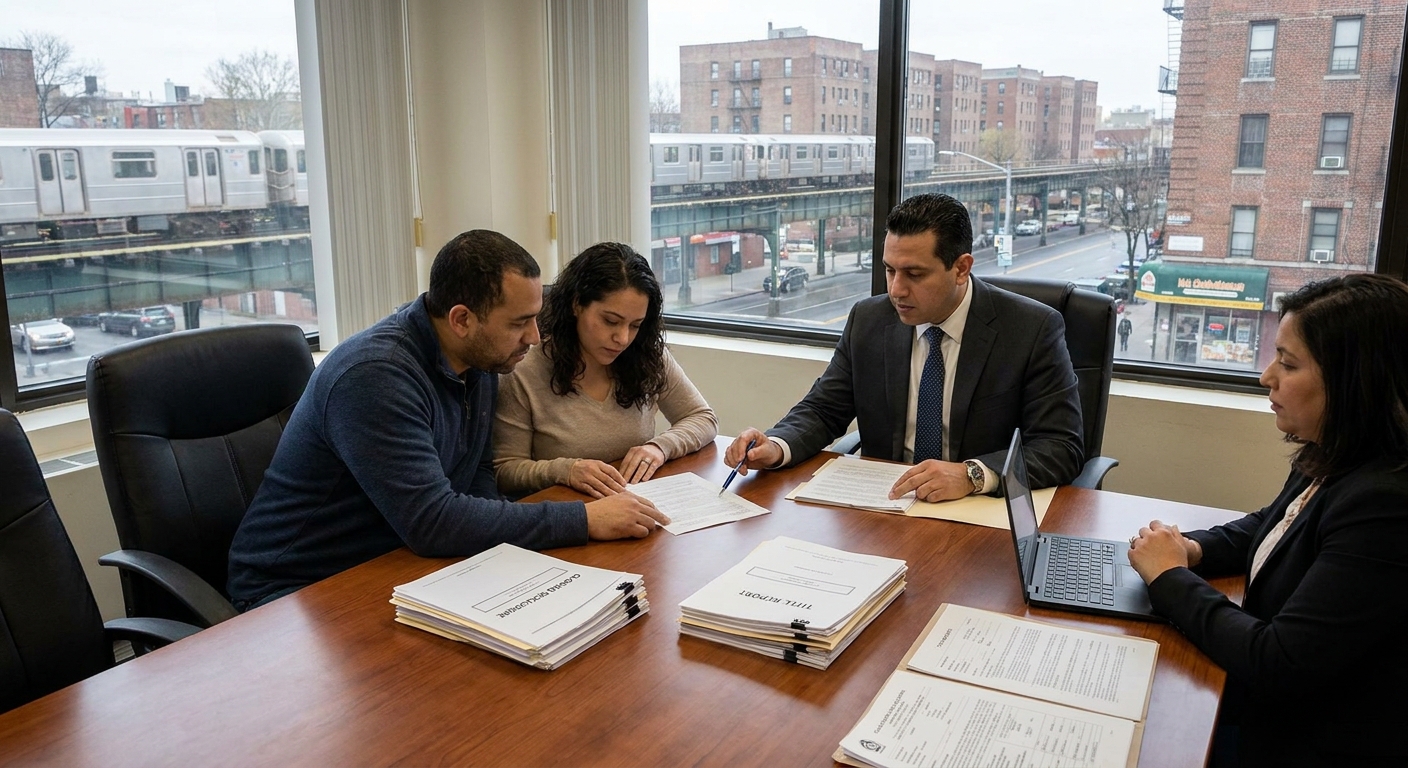
The title report shows whether the seller actually owns what they're selling — and whether anyone else has a claim on it. Liens from unpaid taxes, old mortgages, contractors, or even family disputes can all show up here. If the title isn't clean, the deal shouldn't close.
Title insurance protects you after the fact, but it's not a substitute for fixing problems upfront. We've seen buyers rush through this step only to deal with legal headaches months later. Read the report. Confirm the issues are resolved. Make sure your title searches and insurance policy covers what it should.
The Purchase Agreement Should Match Reality
Go back to the contract you signed when you made your offer. Everything in that document — purchase price, closing date, included appliances, agreed repairs — should show up in your closing paperwork. If the seller was supposed to replace the furnace or credit you for roof work, confirm it happened.
This is where buyers get burned. They assume verbal promises hold weight. They don't. If it's not in writing, it's not enforceable. And if it is in writing but didn't get done, don't close until it does.
Inspection Reports Need Follow-Through
You hired an inspector. You got a report. Maybe the seller agreed to fix a few things. Did they? Or did they patch over the visible stuff and leave the real problems buried? Before closing, get proof of repairs — receipts, invoices, contractor sign-offs.
If major issues were flagged and nothing was done, you need to decide whether to renegotiate, walk away, or accept the property as-is. That decision should be made with your attorney, not at the closing table when everyone's waiting on you to sign.
Survey Lines Matter More Than You Think
The Bronx has dense blocks, narrow lots, and plenty of boundary disputes waiting to happen. A property survey shows where your land starts and stops — and whether anything's encroaching. Fences, driveways, sheds, even part of a neighbor's addition can cross the line.
Make sure the survey matches the legal description in your title documents. If there's an easement for utilities or access, know what that means for your use of the property. These aren't small details. They're the kind of thing that turns into a lawsuit three years down the road. If complications arise, you may need support with property dispute resolution to protect your interests.
HOA Rules Can Change Everything
If you're buying into a co-op, condo, or community with a homeowners association, the rules aren't optional. You're bound by them the moment you close. That means reviewing bylaws, financial statements, meeting minutes, and any pending assessments.
We've seen buyers get blindsided by special assessments, pet restrictions, renovation limits, and sublet bans. All of it was in the documents they didn't read. Don't be that buyer. And confirm the seller is current on all dues — because if they're not, that debt could follow the property.
Walk the Property One Last Time
Schedule your final walk-through within 24 hours of closing. This isn't a casual stroll. It's your chance to confirm the property is in the condition you agreed to buy it in. Check that repairs were completed. Make sure appliances work. Verify the seller moved out and didn't leave behind a basement full of junk.
If something's wrong, document it. Take photos. Notify your attorney immediately. Closing can be delayed if the seller didn't hold up their end. And it should be, if the alternative is you taking ownership of someone else's mess.
Insurance Proof Keeps the Deal Moving
Your lender won't close without proof of homeowners insurance. That means you need a policy in place and a declaration page or binder to show for it. Don't wait until the last minute to shop around or finalize coverage.
Make sure the policy covers the full replacement value of the property and meets your lender's requirements. If there's a lapse or gap in coverage, the closing gets delayed. And in a competitive market, delays can kill deals.
Know Exactly What You Owe and How to Pay It
Closing costs aren't an estimate anymore — they're final. Confirm the exact amount you need to bring and how your attorney or title company wants it delivered. Wire transfer is common, but so is wire fraud. Verify payment instructions over the phone using a number you looked up yourself, not one from an email.
Bring a certified check as a backup if needed. And double-check that your down payment, closing costs, and any seller credits are all accounted for. One wrong number can hold up the entire process.
Documents and ID You'll Actually Need
Bring government-issued photo ID — driver's license or passport. Your lender, attorney, or title company may also ask for additional paperwork like proof of insurance, the signed purchase agreement, or pre-approval letters. Don't assume they have everything on file.
Ask ahead of time what's required. Show up prepared. It's a simple step that keeps things moving and shows you're serious about getting this done right.
Skipping the Details Costs More Later
Real estate closings in the Bronx move fast, but that doesn't mean you should. Every document matters. Every clause has weight. And every signature you put down locks you into terms that are hard to undo. Taking the time to review everything carefully isn't paranoia — it's protection.
Work with your attorney. Ask questions. Flag inconsistencies. And don't let anyone rush you into signing something you haven't read. Whether you need assistance with residential and commercial real estate closings, navigating zoning and land use issues, or other aspects of your transaction, the deal isn't done until the deed is recorded, and by then, you want to be confident you know exactly what you bought — and what you're walking into.
Let’s Make Your Bronx Closing Smooth
We know how overwhelming a real estate closing can feel, especially in the Bronx where every detail counts. Let’s work together to make sure your transaction is seamless and your interests are protected from start to finish. If you’re ready for guidance that puts your needs first, call us at 718-819-1728 or schedule a free consultation today and let’s get you to the closing table with confidence.
‹ Back
Recent Posts
-
Sponsoring a Family Member for Immigration from the Bronx
September 10, 2026
-
Do You Need a Lawyer to File a Will in the Bronx?
August 20, 2026
-
Getting Divorced in the Bronx While Living Together
August 13, 2026
-
-